Understanding Risk and Reward: A Guide to Building a Balanced Investment Portfolio
Introduction
Embarking on the journey of investing can feel like navigating a vast, unpredictable ocean. One of the most common challenges for new and even intermediate investors is understanding the delicate balance between risk and reward. It’s a fundamental concept that can determine the success or failure of your financial goals, yet it’s often misunderstood. Many people mistakenly believe that high returns always come from high-risk, speculative ventures, or they are so afraid of losing money that they stick to low-yield savings accounts. This article will demystify the relationship between risk and reward, providing a comprehensive guide to building a balanced investment portfolio that aligns with your personal financial objectives and risk tolerance. We’ll explore how to assess risk, diversify your assets, and make informed decisions that can lead to long-term growth.
What is Risk and Reward in Investing?
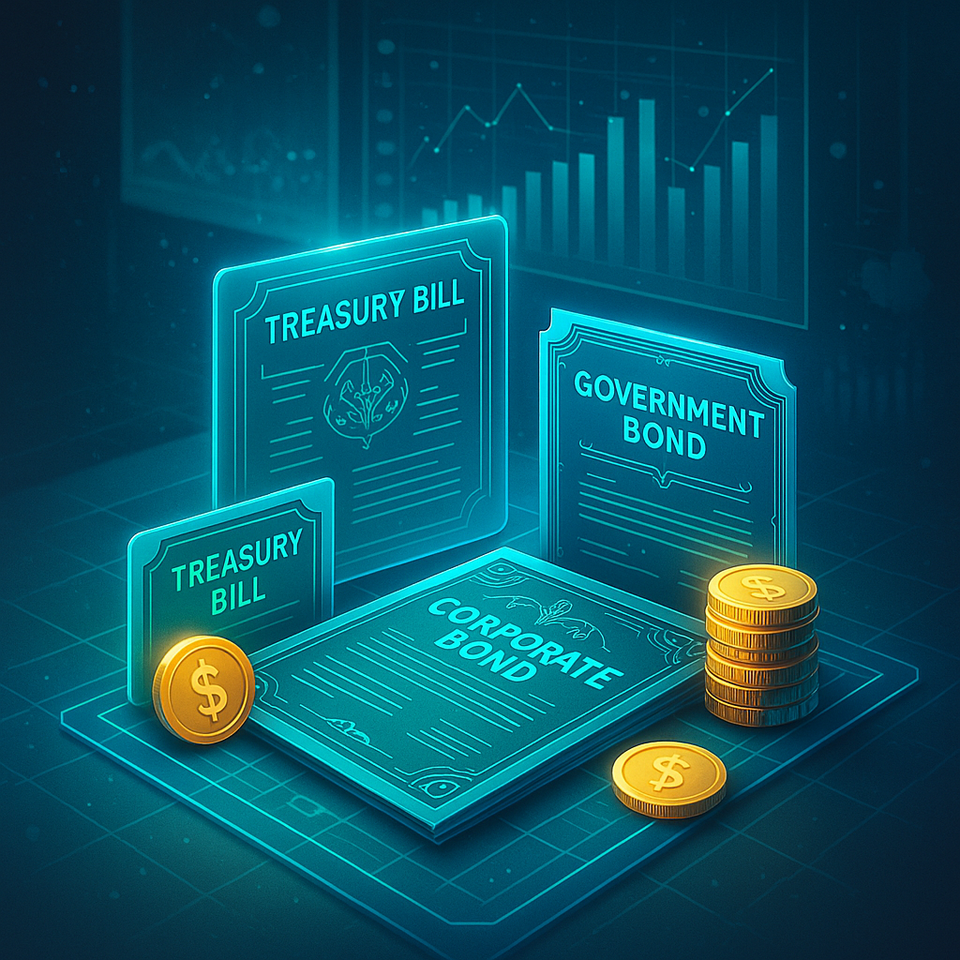
At its core, the relationship between risk and reward in investing is about trade-offs. Risk is the possibility of an investment’s actual return being different from what you expected—the chance that you could lose some or all of your money. Reward, on the other hand, is the potential for an investment to generate a positive return. The fundamental principle is that to achieve a higher potential reward, you must be willing to accept a higher level of risk. An investment that guarantees a very small return, like a government bond, has low risk. Conversely, an investment with the potential for massive gains, such as a startup company’s stock, carries high risk.
Understanding this dynamic is crucial for portfolio diversification. You can’t simply chase the highest-return assets without considering the downside. A truly successful investor doesn’t just focus on maximizing returns but on managing risk to create a sustainable, long-term strategy. This involves a deep understanding of your own financial situation, your time horizon, and your personal comfort level with market volatility. Balancing these factors is the key to creating a resilient portfolio that can weather market downturns and still capture growth.
Assessing Your Personal Risk Tolerance
Before you can build a diversified portfolio, you need to understand yourself as an investor. Your risk tolerance is your ability and willingness to endure potential losses in exchange for higher returns. It’s not a static number; it’s influenced by several factors:
- Your Age and Time Horizon: A young person with 30+ years until retirement can afford to take on more risk because they have a longer time horizon to recover from market downturns. In contrast, someone nearing retirement may prefer less risky assets to protect their capital.
- Financial Situation: How stable is your income? Do you have an emergency fund? If a market crash were to happen, would it disrupt your daily life? Having a strong financial foundation allows you to absorb more risk.
- Emotional Resilience: Can you handle seeing your portfolio value drop by 20% without panicking and selling everything? Understanding your psychological response to market volatility is just as important as the numbers.
To build a balanced portfolio, you must be honest with yourself about these factors. A low-risk investor might focus on bonds and index funds, while a moderate-risk investor might include a mix of stocks and bonds. A high-risk investor may allocate a larger percentage of their portfolio to individual stocks, emerging markets, or even cryptocurrencies. Taking an honest self-assessment helps you avoid making impulsive decisions based on fear or greed.
The Power of Diversification: Spreading Your Bets
Diversification is the cornerstone of effective risk management in investing. It’s the strategy of spreading your investments across various assets to reduce the exposure to any single asset or risk. The old adage “don’t put all your eggs in one basket” is the simplest way to describe it. A well-diversified portfolio can include:
- Stocks (Equities): Representing ownership in a company, stocks offer high growth potential but also high volatility.
- Bonds (Fixed Income): Essentially a loan to a company or government, bonds are generally less volatile than stocks and provide a steady stream of income.
- Real Estate: Investing in properties can provide both appreciation and rental income, offering a different type of asset class.
- Commodities: Assets like gold or oil can act as a hedge against inflation and currency fluctuations.
- Cryptocurrencies: While highly volatile, digital assets can offer unique growth potential and act as a non-correlated asset to traditional markets.
The goal of diversification is to ensure that when one part of your portfolio is performing poorly, another part may be performing well. For instance, during an economic downturn, stocks might fall, but bonds could hold their value or even increase as investors seek safer havens. This asset allocation strategy helps smooth out returns over time, reducing overall portfolio volatility.
Implementing Your Strategy and Staying the Course
Building a strategy is one thing; sticking to it is another. Once you have determined your risk tolerance and diversified your portfolio, the most challenging part for many investors is resisting the urge to make emotional decisions. The key to long-term success is to stay the course, especially during turbulent times. Avoid making rash decisions based on news headlines or short-term market fluctuations.
Regularly review and rebalance your portfolio, perhaps once or twice a year, to ensure it still aligns with your goals and risk tolerance. If one asset class has performed exceptionally well, its weight in your portfolio might become too large, exposing you to more risk than you’re comfortable with. Rebalancing involves selling some of the high-performing assets and buying more of the underperforming ones to bring your portfolio back to its target asset allocation. This disciplined approach helps you buy low and sell high automatically, without emotion getting in the way.
Conclusion
Understanding the intricate dance between risk and reward is not just about memorizing financial terms; it’s about building a solid foundation for your financial future. By honestly assessing your personal risk tolerance, embracing the power of diversification, and committing to a disciplined, long-term approach, you can create an investment portfolio that is not only robust but also resilient. The journey of investing is a marathon, not a sprint. It’s about making deliberate, informed choices that prioritize sustainable growth over fleeting gains. Remember, the goal isn’t to eliminate risk entirely, but to manage it intelligently so that it works for you, not against you. By mastering these principles, you empower yourself to navigate the complexities of the financial markets with confidence and clarity, putting you on the path to achieving your most ambitious financial goals.

Daniel Whitaker is a financial strategy writer focused on long-term wealth building, capital allocation discipline, and structural risk awareness. His work emphasizes clear financial frameworks, sustainable investment thinking, and practical decision-making designed to help readers build resilient financial systems rather than chase short-term trends.