Digital assets in crypto market: evolução, tipos e impacto
Introduction to Digital Assets
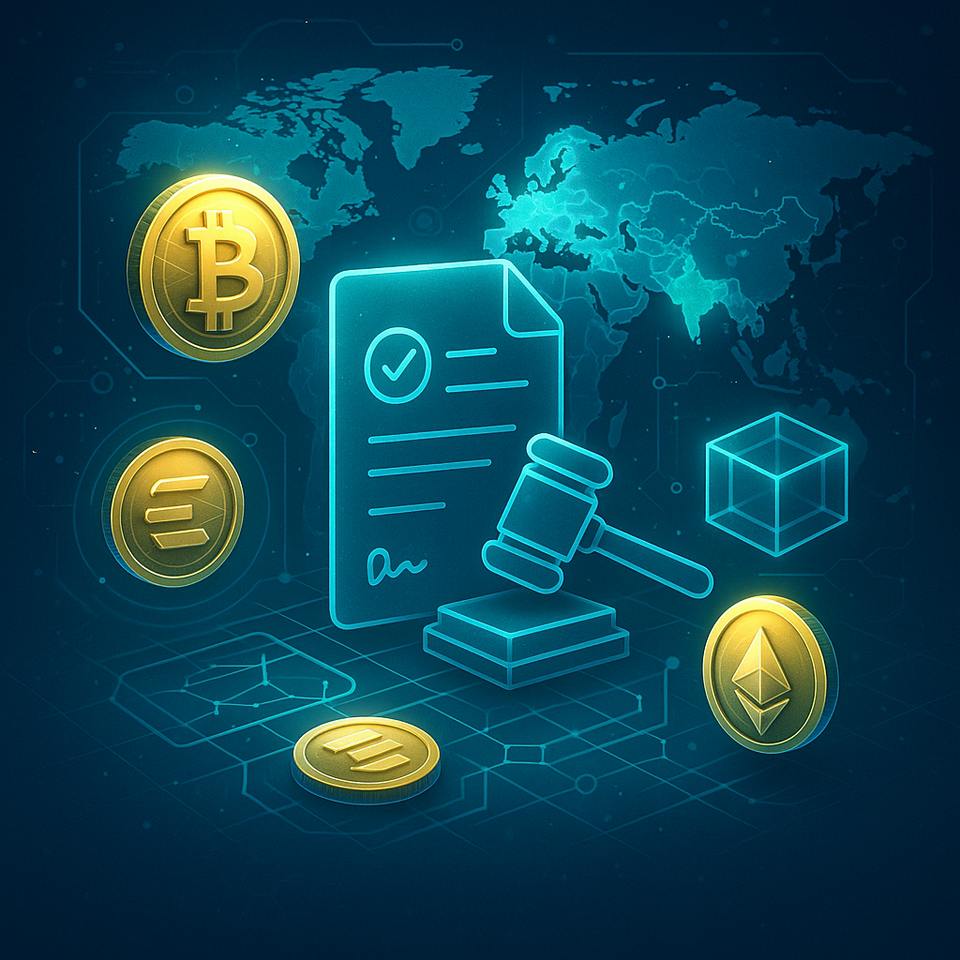
Digital assets in crypto market have become foundational to modern finance, encompassing everything from cryptocurrencies to innovative blockchain-based tokens. Their expansion is closely tied to technological advances in blockchain, a surge of institutional interest, and shifting legal frameworks that aim to accommodate—or at times restrict—this evolving sector. The umbrella term ‘digital asset’ typically includes any asset existing in digital form that carries value, from well-known cryptocurrencies like Bitcoin and Ethereum to non-fungible tokens (NFTs) and asset-backed tokens. As a result, understanding digital assets in crypto market means examining both their technological origins and their profound impact on the global economy.
The Evolution of Digital Assets in Crypto Market
The story of digital assets in crypto market began with the introduction of Bitcoin in 2009. Bitcoin established a new paradigm for digital scarcity and decentralized money, fundamentally altering perceptions of value transfer outside centralized institutions. The creation of Ethereum in 2015 extended these concepts through programmable smart contracts, allowing developers to issue tokens and build decentralized applications (dApps) that function without centralized oversight. These innovations spurred the rapid growth of decentralized finance (DeFi), where financial instruments like lending and liquidity pools operate on distributed ledgers.
From their peer-to-peer beginnings, digital assets have grown into a full-fledged segment of financial markets, with the 2010s seeing the birth of exchanges, wallets, custodians, and analytics services. By the mid-2020s, large asset managers and even sovereign institutions explored adoption, integrating digital assets in crypto market products, portfolios, and services. This integration is evidenced by the proliferation of tokenized instruments—turning physical assets into digital tokens, such as stocks, real estate, or commodities. Central bank digital currencies (CBDCs) also emerged as an area of innovation and policy discussion, with countries exploring sovereign digital assets for faster and more inclusive payment infrastructure (see [IMF on CBDCs](https://www.imf.org/en/Topics/fintech/cbdc)).
Classification of Digital Assets
A core aspect of digital assets in crypto market is their classification, which impacts their use, regulation, and adoption. The main categories are:
1. Cryptocurrencies: Represent value and serve as means of exchange (e.g., Bitcoin, Litecoin). Highly liquid, these are generally recognized as the foundational digital asset type, used for transactions and as stores of value.
2. Utility Tokens: Grant access to specific platforms or services, as seen in decentralized apps or networks. Examples include tokens used to pay for transactions or services on blockchain infrastructures (see [Ethereum Whitepaper](https://ethereum.org/en/whitepaper/)).
3. Security Tokens: Reflect ownership in assets or rights to revenue streams, similar to traditional securities. Subject to securities laws in some jurisdictions, they facilitate fractionalized ownership of properties, stocks, or bonds on-chain.
4. Stablecoins: Pegged to stable assets like fiat currencies (e.g., USDC, Tether) to reduce volatility. Popular in global remittances and as a bridge between on-chain and off-chain economies.
5. Non-Fungible Tokens (NFTs): Represent unique assets, digital or physical, fueling markets for art, collectibles, and gaming. Each token is distinct, making them suited for one-of-a-kind items or intellectual property (see [NFT Wikipedia](https://en.wikipedia.org/wiki/Non-fungible_token)).
Regulatory Considerations
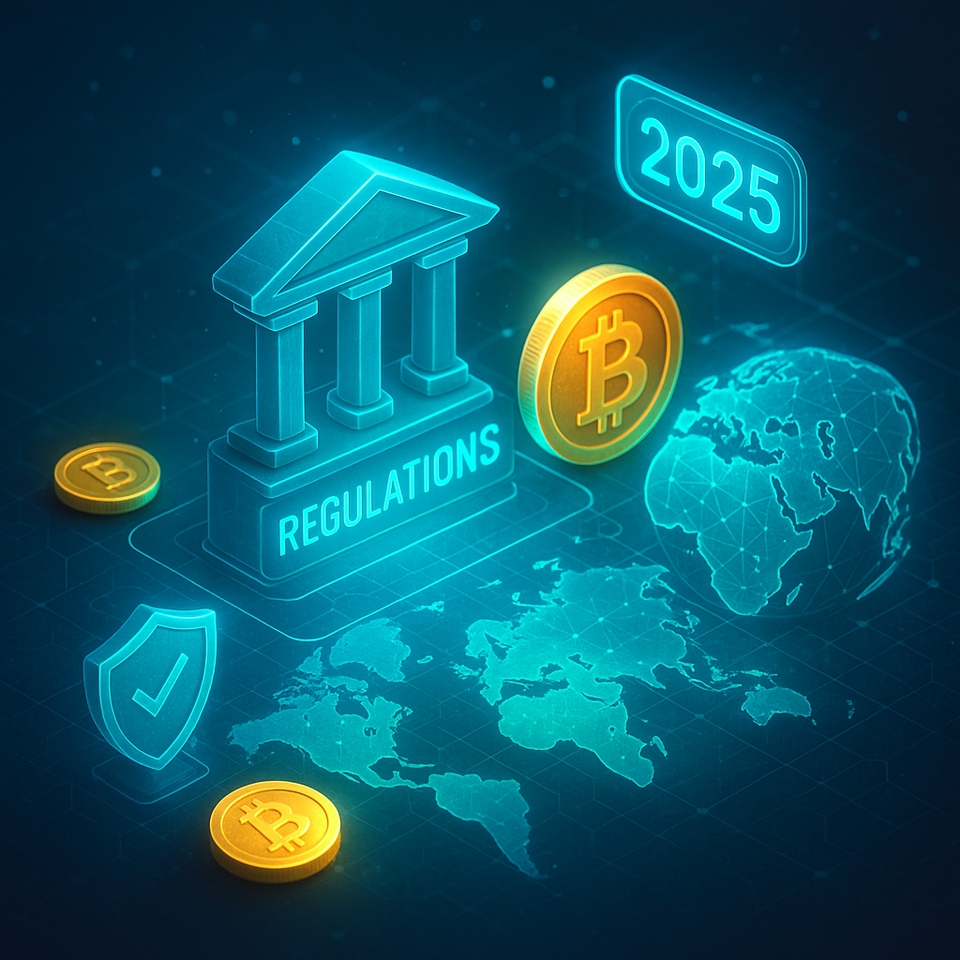
The regulatory treatment of digital assets in crypto market is diverse and evolving. While some governments actively embrace blockchain innovation, others impose stringent controls or bans. Most developed economies, such as the United States and European Union, have implemented or are considering complex legal frameworks. The U.S. Securities and Exchange Commission (SEC) applies existing securities laws to certain tokens, especially those deemed investment contracts, resulting in high-profile enforcement actions and ongoing debate (see [SEC crypto regulation](https://www.sec.gov/spotlight/cybersecurity-enforcement-actions)).
In Europe, the Markets in Crypto-Assets (MiCA) regulation seeks to harmonize digital asset oversight across EU member states, clarifying requirements for issuers and service providers and aiming to protect consumers while encouraging innovation. Globally, the Financial Action Task Force (FATF) sets anti-money laundering standards that major jurisdictions are adopting to oversee virtual asset service providers (VASPs).
These variations present operational and compliance challenges for exchanges, custodians, decentralized protocols, and investors. Cross-border transactions and the globalized nature of digital assets in crypto market heighten regulatory complexity, often demanding continuous monitoring and adaptive legal strategies for market participants.
Market Infrastructure and Institutional Adoption
The infrastructure of digital assets in crypto market now mirrors and often integrates with traditional finance. Centralized and decentralized exchanges handle billions in daily volume, providing the liquidity needed for both retail and institutional traders. Custodians employ robust security measures, including multi-signature wallets and insurance, to mitigate cyber threats and operational risks.
Financial products like derivatives (futures, options, swaps) and exchange-traded funds (ETFs) are increasingly underpinned by digital assets, allowing institutional players to hedge, speculate, and invest using familiar tools. The development of regulatory-compliant services, audited reserves, and stablecoins with transparent backing have all contributed to greater institutional trust and participation (see [Fidelity Digital Assets](https://www.fidelitydigitalassets.com/)).
Major banks and asset managers have launched specialized digital asset divisions, offering custody, trading, research, and strategic consulting. Payment networks such as Visa and Mastercard facilitate crypto-linked products, bridging digital and traditional payments ecosystems.
Risks and Security Considerations
Alongside opportunities, digital assets in crypto market introduce significant risk dimensions:
- Cybersecurity: Hacks targeting exchanges, wallets, and smart contracts can result in substantial losses. Protocol-layer bugs or exploits have led to high-profile incidents.
- Key Management: Users bear direct responsibility for securing private keys. Loss—through theft or accidental deletion—can render assets inaccessible permanently.
- Market Volatility: Prices can be highly volatile, with rapid surges and crashes impacting both retail investors and institutions.
- Operational Risk: Issues like exchange insolvencies or failures of underlying blockchain protocols threaten the stability of digital assets in crypto market infrastructure.
- Regulatory Uncertainty: Sudden regulatory actions, such as enforcement or outright bans, can depress valuations and disrupt ecosystem development.
As a result, robust security practices—multi-factor authentication, cold storage, insurance, regular audits—have become non-negotiable for industry participants. Insurance and specialized custody solutions attempt to mitigate some risks, but due diligence and resilient design remain essential.
Implications for Financial Markets
The rise of digital assets in crypto market is reshaping liquidity, capital allocation, and cross-border transactions. Tokenizing traditional real-world assets, such as equities or real estate, has opened pathways to fractional ownership and 24/7 trading. Decentralized finance (DeFi) protocols have innovated with liquidity pools and automated market makers, disrupting how price formation and asset transfers occur.
Digital assets challenge established financial service models, particularly in payments, settlement, and remittances. Their programmable nature offers novel features like self-executing contracts (smart contracts), enabling peer-to-peer lending, insurance, and asset exchanges outside legacy intermediaries.
However, with greater efficiency and inclusivity come new systemic risks. Issues like rug pulls, market manipulation, or flash loan exploits require enhanced transparency, monitoring, and international regulatory harmonization. The continued growth of digital assets in crypto market depends on balancing innovation with market integrity and investor protection.
Conclusion
Digital assets in crypto market evoluíram de simples criptomoedas para instrumentos sofisticados e tokenizados, influenciando infraestrutura, regulação e adoção institucional. A presença crescente dessas inovações reconfigura operações financeiras globais e traz à tona o equilíbrio entre inovação, segurança e clareza jurídica em mercados dinâmicos.

Daniel Whitaker is a financial strategy writer focused on long-term wealth building, capital allocation discipline, and structural risk awareness. His work emphasizes clear financial frameworks, sustainable investment thinking, and practical decision-making designed to help readers build resilient financial systems rather than chase short-term trends.