AI in Long-Term Investments: The Next Frontier for Financial Planning
AI in long-term investments is revolutionizing the traditional methods that investors use to build wealth and secure their financial future. With advancements in machine learning, big data analytics, and automation, artificial intelligence provides fresh perspectives and tools that profoundly impact investment decisions and risk management.
The Evolution of AI in Financial Planning
The journey of AI in finance began decades ago, but its role in long-term investments has rapidly expanded. Early on, simple algorithms executed basic trades, but modern AI-powered systems can now analyze vast datasets, predict market trends, and adapt to shifting conditions in real time. This evolution means that investors receive highly personalized advice and portfolio adjustments that align with their goals and risk tolerance.
AI-driven platforms aggregate historical market data, news sentiment, and macroeconomic indicators to guide decision-making. Many leading financial institutions, such as BlackRock and Vanguard, have adopted AI technologies to optimize their long-term investment strategies, enabling smarter allocation of assets for their clients. Furthermore, these systems outperform traditional models in spotting correlations and anomalies that may signal opportunities or risks.
AI’s Impact on Personalized Investment Strategies
AI in long-term investments isn’t just for institutional investors. Increasingly, retail investors also benefit from robo-advisors, which craft tailored portfolios by leveraging AI algorithms. These platforms evaluate an individual’s financial situation, investment horizon, and appetite for risk, assembling diversified portfolios accordingly. For example, a 30-year-old saving for retirement will see different asset allocations than someone nearing retirement, thanks to AI’s ability to process countless variables efficiently.
Additionally, as the complexity of global markets grows, AI adapts portfolios in near real-time. It reacts to economic events, regulatory changes, and even climate risks, all of which impact long-term investment outcomes. [IMF research] suggests that AI adoption can enhance returns while managing volatility more effectively than human managers alone.
Enhancing Risk Assessment with AI
Another key benefit of AI in long-term investments is improved risk management. Traditional risk assessment often relies on limited historical data and subjective human judgment, which can overlook rapidly emerging threats. AI, in contrast, applies predictive analytics to scan for signals of market stress, liquidity shifts, or geopolitical events that could affect portfolio returns.
AI-based systems dynamically adjust exposure to asset classes based on changing risk profiles. For instance, if signals indicate a downturn in equities, AI algorithms might raise allocations to bonds, gold, or alternative assets. This adaptability can provide more consistent performance and lower drawdowns during turbulent periods, making it invaluable for retirement planning.
The Role of Big Data in AI-Driven Investments
Big data fuels the effectiveness of AI in long-term investments. Every day, billions of data points are generated—from stock transactions and corporate earnings to social media commentary and regulatory disclosures. AI systems efficiently process this information to spot patterns, forecast trends, and identify under- or over-valued assets.
Additionally, big data allows models to integrate unconventional datasets, such as satellite imagery for tracking retail activity or ESG ratings for sustainable investing. Consequently, this comprehensive analysis informs more holistic investment decisions that would be impossible for individual analysts to match in speed or scope.
Navigating Biases and Transparency in AI
Although AI offers significant advantages in long-term investment planning, challenges around bias and transparency remain. Algorithms learn from historical data, which may reflect existing market biases or anomalies. If unchecked, these models can propagate or even amplify said biases, potentially leading to uneven outcomes for investors.
Therefore, investors must evaluate the methodologies and data sources behind AI tools. Leading firms address these concerns by regularly auditing their models, disclosing algorithmic decision processes, and refining inputs to mitigate unfair outcomes. Regulators are also beginning to scrutinize AI applications in finance, aiming for transparency and accountability to protect investors and ensure fair access to emerging technologies.
AI-based Asset Allocation and Portfolio Rebalancing
Asset allocation plays a crucial role in long-term investment success. AI enhances this process by continuously analyzing market conditions and suggesting portfolio rebalancing when necessary. Instead of static, calendar-based adjustments, AI-driven models recommend changes in response to evolving investment landscapes, such as macroeconomic shifts or sector disruptions.
AI tools also incorporate scenario analysis—simulating various economic and market outcomes to test portfolio resilience. Consequently, investors benefit from dynamic adjustments tailored to their risk profile, time horizon, and long-term objectives. This refinement makes portfolios more adaptive and potentially better performing over decades.
Improving Retirement Income Strategies
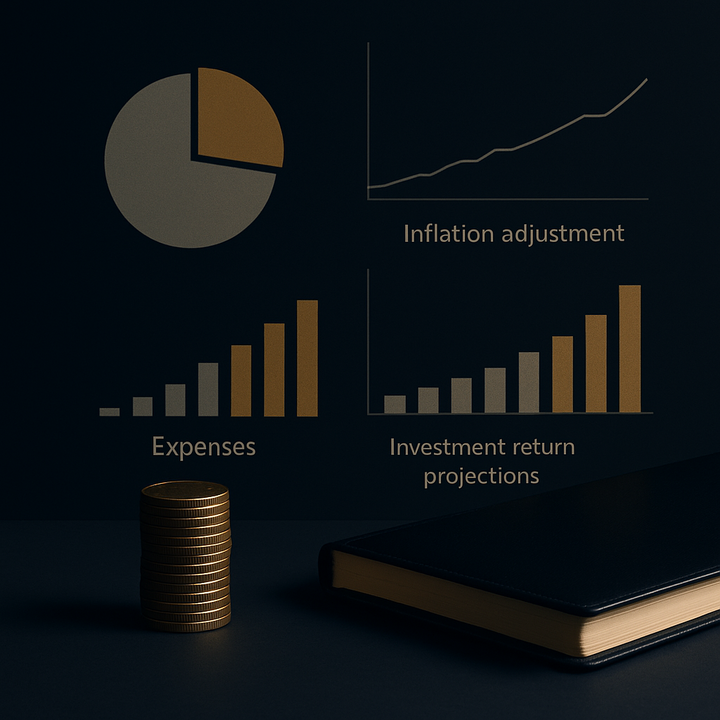
One important application of AI in long-term investments is crafting personalized retirement income strategies. Modern algorithms estimate future expenses, life expectancies, and inflation rates, tailoring drawdown strategies and annuity purchases for each individual. By doing so, AI helps retirees balance the risk of outliving their savings with the need for stable income.
Financial planners increasingly incorporate AI-generated projections to offer advice that accounts for longevity risk, market volatility, and changing personal circumstances. AI-driven Monte Carlo simulations, for example, provide deeper insight into the likelihood of reaching specific retirement goals under various market scenarios.
Tackling Behavioral Biases in Investment Decisions
Investors, whether amateur or professional, are susceptible to behavioral biases—emotions like fear or greed can steer decisions away from optimal outcomes. AI in long-term investments supports discipline by enforcing data-driven processes, nudging users away from rash choices. Robo-advisors often remind users to stick with their plans, even during market downturns.
Additionally, these algorithms can warn against chasing performance or exiting positions prematurely by referencing historical evidence and market cycles. This layer of protection helps long-term investors maintain consistent strategies and avoid common pitfalls like market timing or herding behavior.
Ethical and Regulatory Considerations
AI’s growing role brings increased scrutiny from regulators tasked with safeguarding investor interests. To ensure fair and stable financial markets, authorities require transparency, explainability, and controls around AI-based investment platforms. Regulatory bodies publish guidelines on cybersecurity, data privacy, and operational resilience, urging providers to document how algorithms function and make decisions.
Compliance with global standards ensures that AI in long-term investments operates safely and equitably. Investors should confirm their platforms align with best practices and remain informed about regulatory developments worldwide. The [OECD](https://www.oecd.org/finance/) is a useful source for updates on global financial regulations, including those concerning artificial intelligence applications.
The Future Outlook for AI in Long-Term Investments
The pace of AI innovation in the investment world is accelerating. Near-term advancements may include further integration with blockchain, greater use of alternative data, and the expansion of AI into private markets, real estate, or impact investing. As these technologies mature, investors can expect deeper insights, improved risk-adjusted returns, and more robust planning tools.
Still, some challenges will persist. Model risk, algorithmic bias, and cybersecurity threats require ongoing attention. Human expertise remains necessary—to validate AI recommendations, exercise judgment, and provide reassurance during market uncertainty. Rather than replacing human advisors, AI enhances their capabilities and frees them to focus on personalized client relationships and strategic planning.
Practical Tips for Investors Embracing AI
For those considering AI in long-term investments, a balanced approach works best. Investors should seek reputable robo-advisors or asset managers known for transparent practices. Reading disclosures, understanding how data is sourced, and monitoring performance over time are essential steps.
Additionally, blending traditional financial wisdom with AI-driven insights tends to yield the best results. While technology can process and analyze incredible volumes of data, investor discipline and clear goals remain critical for success. Consulting a qualified advisor familiar with AI-based platforms can also bridge the gap between cutting-edge technology and practical, long-term planning.
Integrating AI: Case Studies of Success
Several pension funds and endowments have already integrated AI into their investment practices, reporting improvements in performance and risk control. For example, the Ontario Teachers’ Pension Plan leverages AI for asset allocation and stress testing, while some university endowments use machine learning to boost returns from alternative investments. These early adopters frequently cite better-informed decisions, greater agility in turbulent markets, and cost efficiencies as key benefits.
Learning from these examples, smaller investors and advisors can adopt AI solutions appropriate to their scale and objectives. Continuous education about technology trends and regulatory updates ensures that users maximize the positive impact of AI in their portfolios.
Conclusion: Embracing AI for Sustainable Financial Growth
AI in long-term investments signals a transformative era for financial planning and wealth management. Its ability to process data, adapt to market changes, and guide disciplined investment strategies positions it as a powerful ally for those seeking security and growth. Nonetheless, careful oversight, ethical practices, and human judgment remain indispensable.
By staying informed about the benefits and challenges AI presents, investors can confidently leverage these tools for more resilient and rewarding retirement outcomes. The integration of human experience and technological innovation will continue to shape the next chapter in financial planning for generations to come.

Daniel Whitaker is a financial strategy writer focused on long-term wealth building, capital allocation discipline, and structural risk awareness. His work emphasizes clear financial frameworks, sustainable investment thinking, and practical decision-making designed to help readers build resilient financial systems rather than chase short-term trends.