How to Build a Smart Retirement Plan: A Step-by-Step Guide for Modern Investors
Introduction: The Power of a Smart Retirement Plan
A smart retirement plan is essential for modern investors seeking financial independence and long-term security. The changing investment environment, longer life expectancy, and rise of individualized accounts make retirement planning crucial today. By understanding the strategies and tools available, modern investors can enhance their financial stability and prepare for a fulfilling retirement. Smart financial planning bridges the gap between desired post-career lifestyles and real-world challenges, empowering individuals to take control of their future.
What Makes a Smart Retirement Plan?
A smart retirement plan is more than simply saving; it includes a structured and dynamic approach to achieving your long-term financial goals. First, it requires in-depth self-assessment. Modern investors should evaluate their desired retirement age, anticipated expenses, and legacy wishes. Next, a smart plan incorporates flexible asset allocation, combining traditional investment options like equities and bonds with real estate, alternative investments, and insurance products as appropriate.
Additionally, leveraging tax-advantaged accounts—such as IRAs, 401(k)s, or their equivalents globally—forms the backbone of tax-efficient saving. Smart plans are not one-size-fits-all. They adjust to changing personal, market, and regulatory circumstances, ensuring continued growth and protection of assets. A thoughtful plan also anticipates healthcare costs, inflation, and longevity risks. Ongoing reviews and adjustments turn a standard plan into a truly smart retirement strategy.
Why Modern Investors Must Prioritize a Smart Retirement Plan
Modern investors face a unique set of challenges not seen in previous generations. The shift from guaranteed pensions to defined contribution plans means individuals bear more responsibility for their financial security. Furthermore, market unpredictability, lower interest rates, and global uncertainties require a proactive approach. A smart retirement plan helps investors navigate these complexities.
With increased life spans, retirees must plan for three decades or more in post-employment years. This reality makes outliving assets a real risk. Additionally, shifting government policies may alter retirement benefits. By prioritizing a smart retirement plan, investors can address potential funding gaps, optimize their asset allocation, and maintain their desired standard of living, even during market volatility or personal emergencies. Financial planning empowers investors to leave a lasting legacy and provide for loved ones.
Step-by-Step Guide to Creating a Smart Retirement Plan
Developing a smart retirement plan doesn’t have to be overwhelming. Follow these actionable steps to ensure a solid foundation:
Step 1: Clarify Your Retirement Vision
Begin by imagining your ideal retirement. Establish your preferred retirement age and the lifestyle you hope to enjoy. Factor in possible relocation, travel, ongoing work, or new hobbies. Concrete goals give your plan a clear purpose and direction.
Step 2: Calculate Anticipated Expenses
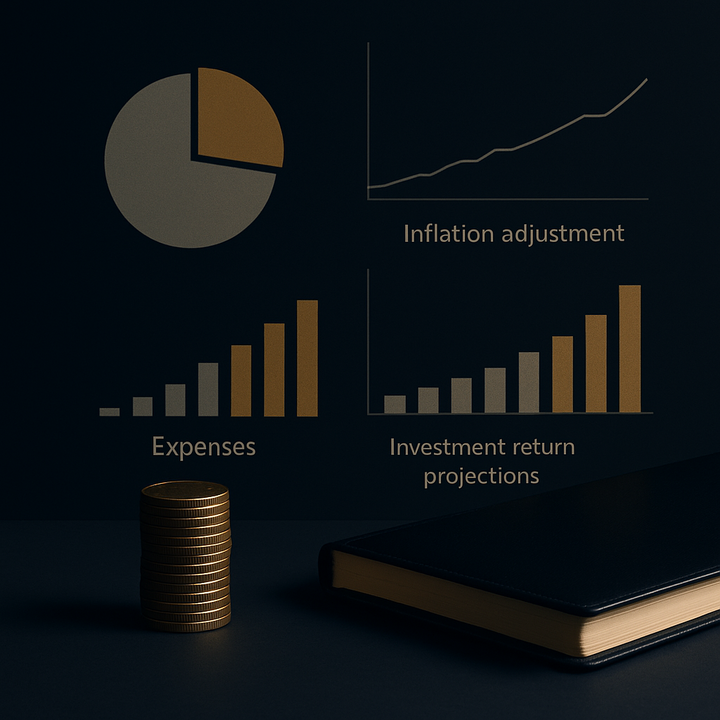
Estimate your annual living costs in retirement. Consider housing, food, healthcare, entertainment, travel, taxes, and gifts. Remember to adjust future projections for inflation, and don’t overlook unexpected costs such as major home repairs or long-term care.
Step 3: Assess Your Current Financial Situation
Review your assets, income streams, and liabilities. Budget current savings, employer retirement contributions, after-tax brokerage accounts, real estate, and business interests. Be honest about debts or ongoing expenses that could impact your savings rate or retirement income.
Step 4: Develop a Savings and Investment Strategy
Design a diversified investment plan suitable for your risk tolerance and time horizon. Use a mix of equities, fixed income, real estate, and alternative assets. Maximize contributions to tax-advantaged vehicles like IRAs and 401(k)s where possible. Adjust asset allocation over time to reduce risk as retirement approaches.
Step 5: Consider Healthcare and Insurance Needs
Healthcare is often one of the largest retirement expenses. Include coverage for long-term care, supplemental insurance, and unexpected medical emergencies. Evaluate annuities or insurance products that offer guaranteed income or protection against longevity risk.
Step 6: Plan for Taxes and Withdrawals
Understand how income will be taxed during retirement. Develop a withdrawal strategy that minimizes taxes and maintains cash flow. Consider Roth conversions, required minimum distributions (RMDs), and the timing of Social Security or pension benefits to optimize after-tax income.
Step 7: Monitor and Adjust Regularly
A smart retirement plan is never static. Conduct reviews annually or following major life events—such as changes in health, marital status, or career. Rebalance investments, update your estate plan, and adapt to evolving market conditions or laws. Technology can help automate tracking and provide real-time insights.
Integrating Technology: The Digital Edge in Smart Retirement Plans
Technology has become a critical component of modern retirement planning. Robo-advisors, fintech apps, and online simulators deliver tailored advice and portfolio management at the click of a button. These tools automate rebalancing, portfolio optimization, and even tax-loss harvesting.
Data aggregation apps connect all your financial accounts for a complete picture of your net worth and spending habits. Artificial intelligence analyzes spending patterns, flags anomalies, and projects future shortfalls or surpluses. Machine learning tools can simulate various scenarios to help investors understand the impact of market downturns, inflation, or policy changes.
Digital resources also democratize access to education—webinars, podcasts, and e-learning platforms keep investors up-to-date on best practices and regulatory shifts. For example, OECD provides valuable financial insights that investors can trust for unbiased guidance. Embracing these digital solutions turns a static plan into a living, adaptable strategy.
Risk Management in Smart Retirement Planning
Smart retirement planning requires proactive risk management. Market volatility, inflation, longevity, and health care costs are among the top threats to retirement security. Diversify your investments across multiple asset classes to reduce concentration risk and smooth returns over time.
Consider products that provide guaranteed income, such as annuities, to hedge against outliving your assets. Maintain an emergency fund for unexpected life events. Regularly review and adjust your risk exposure, especially as you near retirement age. Inflation-protected securities and global diversification can also provide additional defense against economic shifts.
Technology plays a role here, too—advanced analytics offer scenario testing and transparent reporting. You can assess the impact of sudden market corrections or policy reforms, giving you greater peace of mind.
Opportunities: Capitalizing on New Trends and Solutions
With the risks come new opportunities. Exchange-traded funds (ETFs) now allow investors to access niche sectors or global assets with low fees and high flexibility. Alternative investments, such as private credit, commodities, or real estate, can further diversify your portfolio. Recent changes in regulations often bring increased contribution limits or new tax optimization strategies for retirement accounts.
Advancements in healthcare and longevity research may reduce anticipated retirement costs, freeing up assets for other goals. The evolution of digital financial products, including decentralized finance (DeFi), introduces new ways to earn and safeguard wealth. However, investors must evaluate these innovations carefully and remain mindful of cybersecurity and regulatory risks.
Staying educated and adaptable lets you respond swiftly to favorable changes. As IMF economic research points out, global trends can quickly present both risks and advantages for the prepared investor.
Financial Literacy: The Heart of a Smart Retirement Plan
No tool or strategy replaces the value of financial literacy. Continually investing in your own knowledge builds confidence and agility. Seek reputable financial news, join educational webinars, and engage with qualified advisors. Understanding tax law, investment strategies, market cycles, and risk management forms the foundation of effective decision-making.
Review your education sources regularly. Take advantage of employer-sponsored seminars, professional associations, or trusted online courses. Staying informed not only helps you avoid costly mistakes, but also empowers you to take full advantage of market shifts and innovative financial products. Financial literacy breeds independence and resilience.
Adapting Your Smart Retirement Plan to Life’s Changes
Life rarely unfolds exactly as planned. Job changes, health events, family obligations, or economic shocks can impact your retirement trajectory. The flexibility of a smart retirement plan allows for timely adjustments. For instance, if you encounter an unexpected job loss or windfall, revisit your withdrawal strategy, risk exposure, and spending rates.
Regularly updating your estate plan, including wills and powers of attorney, protects your family and ensures a smooth transition of assets. Flexibility also means monitoring government policy changes, such as tax reforms or benefit adjustments, and recalibrating your strategy as needed.
The best plans anticipate change and include contingency options. Having clear communication with loved ones about your intentions avoids confusion and ensures that your wishes are respected.
Building a Sustainable Legacy Through Smart Retirement Planning
For many, retirement planning is about more than personal comfort—it’s also about legacy. Integrate giving strategies, such as trusts or charitable donations, to extend your impact. Work with professionals to minimize estate taxes and maximize the benefit to your heirs or causes you care about. Include insurance products that provide for dependents or cover potential liabilities.
A sustainable legacy is built on transparent communication, thoughtful planning, and the willingness to review and update plans as life evolves. If you own a family business or real estate, explore transfer strategies that minimize tax burdens and ensure continuity for future generations. Share your financial knowledge with younger family members, creating a culture of smart retirement planning that supports your values and secures lasting wealth.
Unlocking the Full Potential of Your Retirement Plan
Bringing together disciplined saving, strategic investing, technology, and education is the key to building a smart retirement plan. Remember, the most successful investors are proactive, flexible, and informed. Lean into data-driven decisions, keep pace with digital trends, and never stop learning. Each step you take brings you closer to a future of financial independence and peace of mind.
By maintaining a balanced focus on security, growth, adaptability, and legacy, your smart retirement plan can support an enriching post-career life—and provide a reassuring foundation for those you care about.

Daniel Whitaker is a financial strategy writer focused on long-term wealth building, capital allocation discipline, and structural risk awareness. His work emphasizes clear financial frameworks, sustainable investment thinking, and practical decision-making designed to help readers build resilient financial systems rather than chase short-term trends.