Retirement Planning with a Focus on Secure Passive Income
Introduction: Why Retirement Passive Income Is Essential
Retirement passive income is now at the forefront of successful retirement planning. The days when retirees could rely only on government pensions or employer-backed benefits are fading fast. Over the past three decades, financial markets have become far more volatile and complex, while people are living longer than ever. This combination makes it harder to estimate how much money you will need—and for how long. As a result, more people are turning to passive income streams to bridge the retirement funding gap. Secure passive income can support lifestyle preferences, cushion against inflation, and ensure you don’t draw down your principal too quickly. Furthermore, building these streams early provides a strong foundation for lasting peace of mind, making retirement more comfortable and flexible.
Defining Secure Passive Income for Retirement Planning
Secure passive income refers to money earned with minimal active effort, relying on investments or assets that generate consistent returns. In the context of retirement, this could mean dividends from stocks, interest from bonds, rental income from real estate, annuities, or even royalties from creative works or patents. The keyword, however, is “secure.” For retirees, secure passive income should demonstrate both stability and predictability, allowing for budgeting without the worry of sudden drops in cash flow. Ideally, each stream should be backed by solid assets, reliable payment histories, and low correlation with highly volatile markets. For example, owning an apartment that reliably produces rental income, or holding blue-chip dividend stocks with long histories of uninterrupted payments, can go a long way in supporting a retiree’s regular expenses. Blending several such sources of secure passive income reduces dependence on one asset and protects against market shocks.
The Current Risks of Solely Relying on Traditional Retirement Income
Increasingly, retirees are discovering the risks associated with depending on only government-provided pensions or old-fashioned savings accounts. Many nations face demographic challenges and fiscal pressures, which sometimes result in reduced benefits or later retirement ages. Meanwhile, low-interest environments have cut yields from traditional deposit accounts and bonds. In many cases, a retiree’s cost of living rises faster than their pension payments. The volatility of global markets poses further risks for retirees who depend on equity-heavy portfolios or bonds that may lose value if interest rates rise rapidly. Securing passive income that can weather these risks, with a focus on diversification, is now vital for anyone considering a robust retirement plan. For those looking for deeper insight on these trends, the [OECD Retirement Report] provides detailed data and analysis.
Proven Strategies to Build Retirement Passive Income
Establishing a reliable base of retirement passive income requires strategic planning and a careful mix of assets. Let’s look at several practical avenues:
Diversified Dividend Investing
High-quality dividend-paying stocks are a mainstay in retirement portfolios. Companies with consistent earnings, robust balance sheets, and a long track record of dividend growth are ideal. Sectors such as utilities, healthcare, and consumer staples often offer relatively dependable payouts. By reinvesting dividends in earlier years, you can harness compounding, and later start using this income for your day-to-day needs during retirement.
Real Estate Investments
Rental properties, either directly owned or accessed via Real Estate Investment Trusts (REITs), are another solid pillar for retirement passive income. Direct ownership can offer higher returns but comes with extra work and some risk. REITs, in contrast, pay out a significant share of their income to shareholders—sometimes quarterly or even monthly. Both options help diversify your income away from the ups and downs of stock markets.
Fixed-Income Securities
Bonds—government, municipal, or high-quality corporate—remain foundational for retirees seeking steady passive income. Shorter-duration bonds can reduce interest rate risk, while a blend of maturities in a laddered bond portfolio can ensure there is always a portion maturing for income or reinvestment. Inflation-protected bonds, such as Treasury Inflation-Protected Securities (TIPS), further shield your income from the erosive effects of rising prices.
Peer-to-Peer Lending and Crowdfunding Platforms
Technology has opened up new ways to generate passive income. Online lending platforms allow you to provide small loans to vetted borrowers, receiving interest payments as they repay. While the returns can be attractive, it’s crucial to research platform reliability, default rates, and fees. Diversification—across multiple loans or platforms—helps protect your capital. For a more in-depth look at these innovations, review guidance from reliable sources like [Investopedia].
Annuities and Lifetime Income Products
Insurance-based products such as annuities offer guaranteed income for life or for a set term. While these products often involve upfront costs and complex rules, they provide certainty and can anchor a broader portfolio designed for passive income. Consult with a fiduciary advisor to assess product suitability and fees before committing substantial savings to annuities.
Addressing Major Risks in Building Passive Income Streams
Every form of retirement passive income comes with potential risks. Markets may fluctuate; tenants could default on rent; dividend-paying companies could cut their distributions; even government bonds are subject to interest rate risk. To protect yourself:
- Regularly review and rebalance your portfolio to avoid overexposure to any one asset or sector.
- Maintain emergency funds to buffer against short-term shocks or gaps in income.
- Stay informed about tax implications and evolving legislation that might impact your streams of passive income.
- Diversify globally—holding income-producing assets across different countries can reduce risk exposure to a single economy.
- Use inflation-protected investments to ensure real purchasing power over time.
Robust risk management strategies, along with ongoing education, increase the security of your passive income in retirement.
Financial Innovation and New Frontiers in Passive Income
The financial landscape continues to evolve with innovative products and investment avenues. Asset tokenization using blockchain technology, for example, allows for fractional ownership of real estate or infrastructure, providing access to returns once reserved for large institutional investors. Environmental, Social, and Governance (ESG) funds now offer passive income for those wishing to align their investments with ethical values. Automated robo-advisors can build and manage portfolios that deliver steady cash flow tailored to your unique retirement goals. At the same time, peer-to-peer lending and crowdfunding platforms can help diversify income sources beyond traditional stocks and bonds. However, innovation can also bring unique risks, including platform security, regulatory changes, or lack of historical performance data. Conservative allocation—limiting exposure to new asset classes—should be practiced while gaining familiarity and confidence in these vehicles.
Steps to Structuring a Durable Retirement Passive Income Portfolio
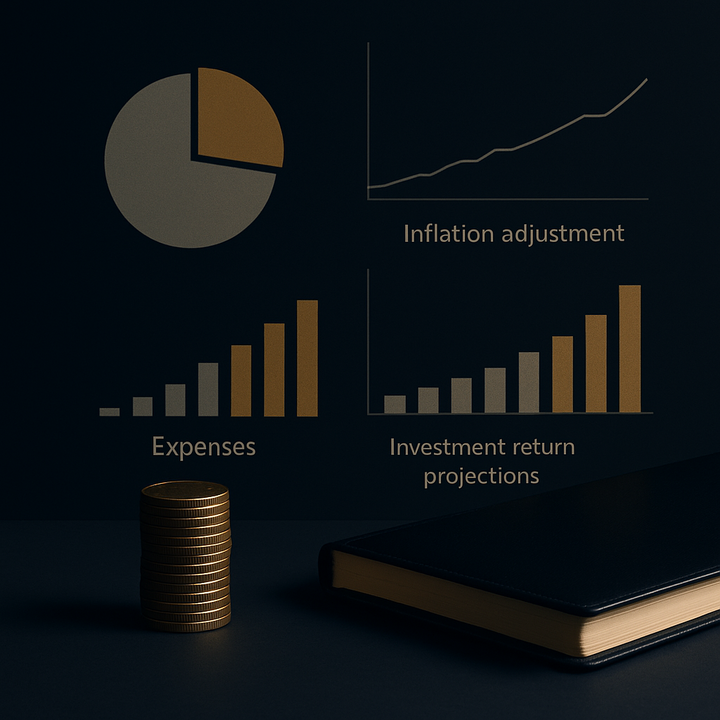
1. Assess your financial needs: Estimate your annual retirement expenses, factoring in healthcare, hobbies, travel, and unexpected costs. Factor in inflation to avoid underestimating future needs.
2. Set income targets: Review current and projected income from pensions, savings, and investments. Clearly outline how much additional passive income you’ll require to meet your goals.
3. Design your asset mix: Distribute your investments across uncorrelated sources. Allocate to a blend of equities, bonds, real estate, and alternative investments for robustness.
4. Prioritize liquidity: Ensure a portion of your assets is easy to convert into cash without significant penalties so you can cover emergencies or shifting needs.
5. Monitor and rebalance: Review your portfolio at least annually, or after significant life events. Adjust your allocation to maintain your desired income and risk profile.
6. Review tax strategies: Work with a qualified tax professional to structure your accounts and withdrawals for maximum after-tax income.
Maintaining Flexibility and Adapting to Change
The best retirement passive income strategy remains flexible over time. Life changes—health challenges, family obligations, or even new retirement dreams—can alter your financial needs quickly. Markets will continue to shift, new products will emerge, and regulations may evolve. Prepare to modify your mix as needed, whether that means shifting from growth-focused dividend stocks to more stable bonds or exploring emerging innovations that fit your goals. Good financial planning uses regular check-ins with trusted advisors, routine knowledge updates, and an openness to adjust strategies.
The Value of Ongoing Financial Education
Perhaps the single greatest long-term asset is a commitment to financial education. Markets, technologies, and tax regulations continuously change. By keeping up-to-date through reputable sources—such as government agencies, financial news outlets, and professional advisors—you can avoid costly mistakes and take advantage of new opportunities as they arise. Education also boosts your confidence, empowering you to make informed decisions about your retirement passive income plans, respond proactively to risks, and remain in control of your financial future.
Conclusion: The Role of Secure Passive Income in Retirement Success
As retirement landscapes evolve, passive income stands out as a crucial pillar for lasting security. Building diverse, stable income streams not only reduces reliance on traditional sources but also cushions your lifestyle against market and life uncertainties. With strategic planning, ongoing learning, and a commitment to balanced diversification, your retirement passive income strategy can unlock a future defined by financial independence and peace of mind. To prepare fully, explore new tools and seek out professional guidance, staying proactive and adaptive as economic and regulatory environments shift.

Daniel Whitaker is a financial strategy writer focused on long-term wealth building, capital allocation discipline, and structural risk awareness. His work emphasizes clear financial frameworks, sustainable investment thinking, and practical decision-making designed to help readers build resilient financial systems rather than chase short-term trends.