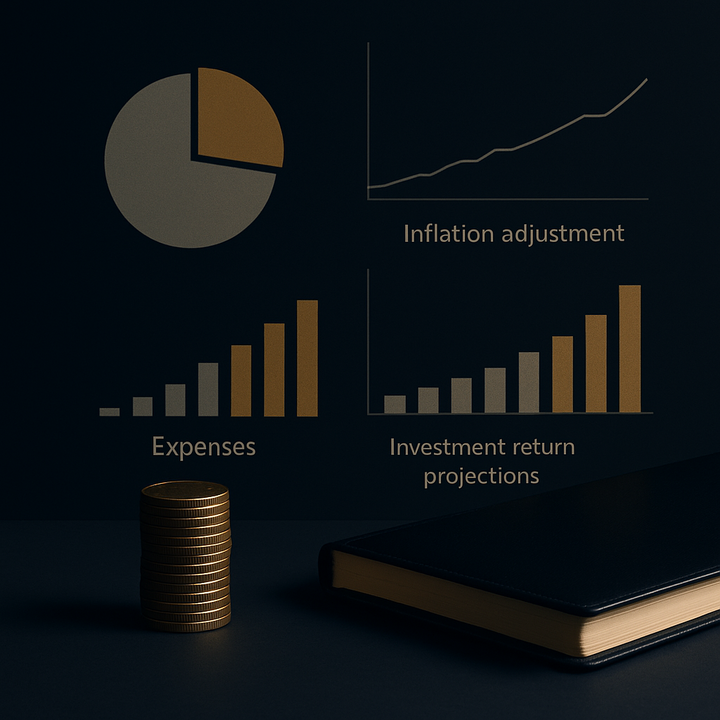
Strategies to Diversify Income in Retirement
Introduction: The Critical Need to Diversify Retirement Income
Diversify retirement income now to protect your lifestyle as economic landscapes shift. As advancements in healthcare lead to longer retirements and markets evolve, retirees cannot rely solely on traditional pensions or government support. Instead, adopting a multi-stream income approach is the best defense against inflation, market volatility, and the risk of outliving your assets. When you diversify retirement income, you shield yourself from the impact of unpredictable market events, regulatory changes, and even personal emergencies. In this article, you will explore the most effective tactics and essential steps to build a retirement income that endures in any environment.
What Does It Mean to Diversify Retirement Income?
Diversifying retirement income means generating revenue from various independent sources rather than depending on a single stream. These sources can range from employer-sponsored retirement accounts to annuities, dividends, real estate investments, part-time work, and even small businesses. The logic mirrors well-known investment advice: don’t put all your eggs in one basket. By spreading your income across different types of assets and strategies, you limit the disruption caused by any one source underperforming or being unexpectedly lost. The key is to blend short-term accessibility, stable returns, and long-term growth potential. Whether through equities, bonds, real estate, or alternative investments, the goal remains: ensure your lifestyle can continue comfortably regardless of market ups-and-downs.
Why Is It Important to Diversify Retirement Income?
For those entering retirement, failing to diversify retirement income can expose you to several financial hazards. Longevity risk is the danger of outliving your savings, while inflation can steadily erode the purchasing power of your fixed retirement checks. In contrast, a diversified approach integrates sources that respond differently to market and economic pressures. For example, real estate often retains value during inflationary periods, while dividends and interest payments can buffer against stock market dips. If you diversify, tax planning also becomes more flexible because different streams are subject to various rules and rates. Ultimately, diversification ensures that neither market downturns nor economic shocks will dramatically affect your day-to-day comfort and goals.
Core Strategies to Diversify Retirement Income
To diversify retirement income practically, start with a comprehensive review of your current financial position. Consider all possible assets—retirement accounts, stocks, bonds, personal property, and savings. Next, build a strategy around these sources:
- Stocks and Dividend Equities: These can provide both potential for appreciation and regular income through dividends. Select a variety of sectors or use index funds for broader diversification.
- Fixed-Income Investments: Bonds, CDs, and Treasury securities offer dependable, predictable returns. Laddering bonds can help smooth fluctuations in interest rates.
- Real Estate and REITs: Rental properties and real estate investment trusts deliver income plus possible appreciation. They also often respond to inflation in ways that other assets may not.
- Annuities: Immediate or deferred annuities guarantee a steady stream of income, sometimes for life, minimizing longevity risk.
- Part-Time Work or Consulting: Many retirees find value, purpose, and income by continuing part-time work or leveraging expertise as consultants.
- Entrepreneurship: Small online businesses, franchises, or service offerings can supplement income, provided that risk and commitment levels are manageable.
- Alternative Investments: Infrastructure funds, commodities, or private lending arrangements might suit experienced investors looking to diversify even further.
Automation now allows individuals to manage these allocations efficiently. Robo-advisors and digital planning platforms factor in risk, liquidity needs, and time horizon, tailoring diversified portfolios for retiree needs.
Benefits of Diversifying Retirement Income
There are several clear benefits when you diversify retirement income. Spreading risk lowers your exposure to single-market events. The portfolio’s overall returns tend to be more stable, which helps with budgeting and planning. Furthermore, retirees with multiple income streams can better handle emergencies, unexpected health costs, or changes to pension regulations. Regular rebalancing and portfolio reviews make sure your income strategy keeps pace with your life circumstances and market shifts. Flexibility leads to resilience—and resilience is critical for financial independence.
Common Pitfalls When You Diversify Retirement Income
Although diversification generally lowers risk, certain pitfalls remain. Over-concentration in unfamiliar or volatile asset categories—such as niche real estate, complex structured products, or speculative digital currencies—may produce losses rather than income. Illiquidity is another challenge, as some investments cannot be quickly converted to cash. In addition, unfamiliarity with the tax implications of different income types can result in reduced net payouts. To avoid these risks, it is crucial to seek professional advice, conduct ongoing research, and adjust your allocation plan as your needs and the financial landscape change. An informed, disciplined approach protects your efforts and maximizes your income potential.
Real-World Examples of Income Diversification
Let’s examine how retirees successfully diversify retirement income. Suppose one retiree, Maria, combines Social Security, a company pension, and dividend-paying stocks for her base income. She rents out a vacation property for additional, flexible cash flow and holds part-time consulting projects, which allow her to tap into industry know-how she developed over decades. By balancing predictable sources (pensions) with variable sources (rentals, consulting), Maria achieves both stability and opportunity.
Another example is David, who divides retirement savings between an annuity (for guaranteed lifelong payments), REIT funds, a ladder of government bonds, and a portfolio of global equities. Each income type responds to different market conditions, making his finances more resilient. These stories align with the latest industry findings, where the typical retiree manages between four and six different income streams, adjusting the mix over time as personal needs and market factors evolve.
Recent Data and Trends in Retirement Income Diversification
Financial institutions such as BlackRock and the World Economic Forum report retirees increasingly diversify retirement income by adopting global strategies. According to the 2023 Global Retirement Index, retirees now allocate roughly 30% of their assets into alternative investments, up from less than 15% a decade ago. Public pensions and annuities remain core but are supplemented by private savings accounts, real estate holdings, and managed ETF portfolios. Regulatory encouragement for deferred withdrawals and phased income options is on the rise, and financial product innovation, like ETFs and target-date funds, is making diversified portfolios easier to build and monitor. Financial literacy programs have grown, helping retirees understand the risk-reward profile of emerging asset classes such as digital currencies and crowdfunded real estate.
The Impact of Digital Technology on Income Diversification
Technology has revolutionized how people diversify retirement income. BlackRock and Vanguard have developed digital platforms for retirees to simulate income sustainability and run cross-scenario tests with a single dashboard. Robo-advisors propose model portfolios that balance stability with growth and automate rebalancing based on your life stage or changing market conditions. Even blockchain technology now supports fractional real estate investments and instant settlement, helping retirees build exposure in new asset categories with lower entry points.
The growth of mobile-first investment apps allows daily management and tracking of income flows, while online knowledge centers and financial education platforms keep retirees up-to-date. Artificial intelligence eliminates emotional biases in rebalancing decisions, while scenario testing ensures that retirees can easily plan for best- and worst-case outcomes. As fintech solutions evolve, more retired investors can diversify confidently, customizing risk-return trade-offs as needed.
Integrating Professional Advice and Lifelong Learning
The process to diversify retirement income is not a one-time event. Retirement brings changing needs: new tax laws, shifting health expenses, and evolving family priorities. Financial advisors can help design and re-balance your income streams, providing insights on tax timing, legacy planning, and the right blend of guaranteed and market-dependent revenues. Workshops and seminars—now widely available online and often free—deepen understanding of sophisticated products and keep retirees alert to scams or mis-selling schemes.
Ongoing learning empowers you to ask better questions of advisors, spot pitfalls early, and understand the impact of changing market or regulatory events. Making use of trusted online resources, professional networks, and community centers keeps knowledge current, supporting disciplined, strategic decision-making for the long term.
Steps to Start Diversifying Your Retirement Income
Ready to diversify retirement income? Begin with a clear assessment of your financial picture—list every asset, debt, current income source, and anticipated expense. Next, consult with a qualified planner to forecast possible scenarios and determine your monthly need. Set concrete goals for your desired retirement lifestyle and risk tolerance. Then, construct your income plan using:
- Guaranteed income (pensions, Social Security, annuities)
- Investment income (stocks, bonds, mutual funds)
- Real estate (rental properties, REITs)
- Alternative or entrepreneurial income (consulting, digital businesses, royalties)
Periodically review your plan to adjust allocations and test your strategy against market shifts. Remember, the ability to adapt quickly is as vital as your initial planning. By following these steps, you will lay the groundwork for financial stability.
Conclusion: Expanding Financial Confidence Through Diversification
After exploring proven ways to diversify retirement income, it is clear that no two strategies are alike. Your mix depends on goals, risk profile, and circumstances. Yet the message remains: diversity brings protection, adaptability, and peace of mind. Stay proactive, seek guidance when needed, and continue learning as the landscape evolves. Secure your future by maintaining flexibility and a growth mindset. For more expert guidance and resources, visit our section on Financial Planning and Retirement.

Daniel Whitaker is a financial strategy writer focused on long-term wealth building, capital allocation discipline, and structural risk awareness. His work emphasizes clear financial frameworks, sustainable investment thinking, and practical decision-making designed to help readers build resilient financial systems rather than chase short-term trends.