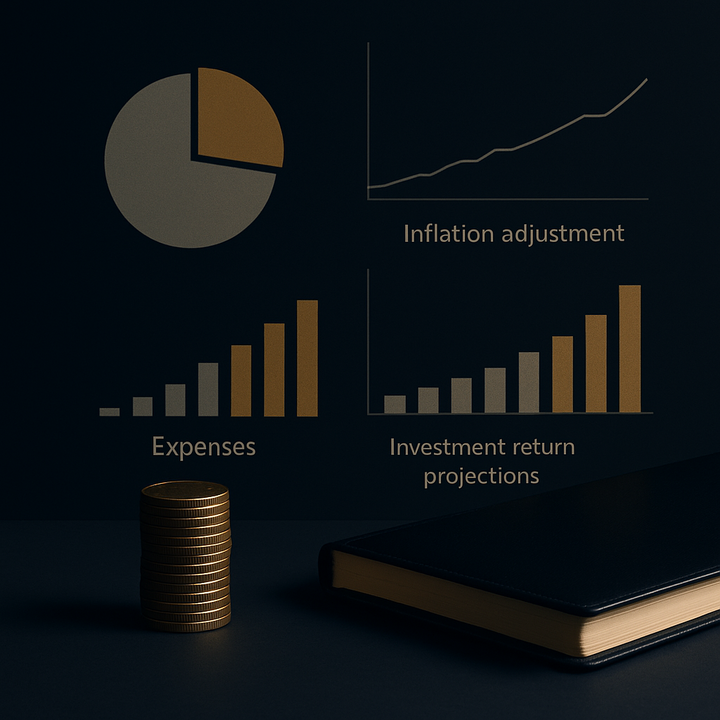
The Impact of Inflation on Retirement Planning: Strategies, Risks, and Opportunities
Introduction: Why Inflation Retirement Planning Matters Now
Inflation retirement planning is a foundational element of financial security for those preparing for their later years. Inflation, or the general increase in prices over time, systematically erodes the purchasing power of your money. If you neglect to incorporate inflation into your strategy, your carefully accumulated savings may not cover your future expenses, which could compromise your retirement lifestyle.
In today’s economic climate, where global supply chain disruptions and unpredictable interest rate changes are commonplace, understanding inflation’s effects and integrating proactive planning can determine the quality of your retirement years. Each year, even a small increase in the price of goods and services silently chips away at your financial safety net. That’s why inflation retirement planning must sit at the core of any thorough retirement strategy.
Understanding Inflation: The Invisible Threat to Retirees
Inflation reflects the percentage increase in the price level of goods and services in an economy over time. The Consumer Price Index (CPI) is the most common measure and it captures the average change in prices paid by consumers. For retirees, who are often on fixed incomes derived from pensions, annuities, or personal savings, the effects of inflation hit especially hard.
To illustrate, if inflation averages 3% annually, then in 20 years the purchasing power of a fixed pension falls nearly by half. This reduction is dramatic. Suppose you need $50,000 per year today to cover living costs. If inflation persists at 3%, you’ll need nearly $90,000 in two decades for the same standard of living. Not including inflation in your retirement projections can result in underfunded plans and unhealthy financial stress later in life.
Inflation not only influences daily expenses, such as groceries, transportation, and entertainment, but also essential needs—healthcare and housing costs typically outpace average inflation rates, adding even greater risk. For robust protection, retirees should understand the full impact of inflation on all spending categories.
How Inflation Undermines Traditional Retirement Strategies
Traditional retirement planning often assumes fixed expenses and static returns. However, inflation disrupts this model by eroding nominal returns and boosting costs unpredictably. For example, fixed-income investments like government and corporate bonds do not adjust for rising prices. This can result in shrinking real income over time.
Stocks, in contrast to bonds, historically outpace inflation over long periods because companies can sometimes pass rising costs onto consumers. Real assets, such as real estate and commodities, also tend to hold value, or even appreciate, during inflationary eras. Effective inflation retirement planning therefore demands a portfolio design that emphasizes growth and resilience, rather than leaning solely on seemingly “stable” fixed returns.
The danger of neglecting inflation is clear in retirees’ real-life experiences. A portfolio heavy with cash or fixed annuities may provide comfort today, but as prices climb relentlessly, these assets lose real value. That’s why it is vital to rebalance assets and ensure flexibility for the future.
Key Strategies for Inflation Retirement Planning
To counter the risks posed by inflation, you need to employ a blend of proactive strategies. Here are the core components of effective inflation retirement planning:
- Diversify Across Asset Classes: Blending equities, real estate, and commodities offers a stronger defense. Equities often deliver long-term growth, while real assets typically retain their value or rise with inflation.
- Consider Inflation-Protected Securities: U.S. Treasury Inflation-Protected Securities (TIPS) and similar investments adjust both principal and payouts with inflation, helping shield savings.
- Invest in Assets with Pricing Power: Select companies or sectors that can transfer increased costs to their customers, such as utility providers or consumer staples.
- Utilize Variable Annuities or Cost-of-Living Adjusted Income Products: Some annuities now offer riders that adjust payouts in response to cost-of-living changes, keeping income aligned with inflation.
- Commit to Regular Portfolio Rebalancing: Periodically revisit your allocation to ensure your mix of assets continues to target inflation-adjusted growth.
- Review Retirement Withdrawal Rates: Recalculate spending rates regularly. The classic “4% rule” may not account for periods of high inflation.
- Leverage New Financial Tools: Modern fintech solutions can model scenarios that include various inflation assumptions, letting you test the resilience of your plan.
Staying educated about inflation trends and adapting your plan accordingly is the hallmark of successful inflation retirement planning. Proactivity can protect your nest egg and support enduring financial independence.
Dangers of Underestimating Inflation in Retirement
Failing to properly address inflation leads to grave risks for retirees. Chief among these is the loss of purchasing power, which limits the ability to afford basic needs as prices rise. Overreliance on low-yield fixed assets leaves portfolios exposed during times when inflation spikes.
Long-term healthcare and housing costs are notorious for growing faster than general inflation. If retirement projections don’t incorporate appropriate inflation rates for these sectors, the real value of your savings may dwindle rapidly. Furthermore, most retirees overlook the impact of taxes on their investment returns. Taxes, when added to inflation, can sharply reduce effective income.
Intermittent or absent rebalancing compounds these risks. If you maintain a conservative portfolio for too long, or rarely review your withdrawal rate, you can end up drawing down your principal more quickly than anticipated. Consequently, retirees should regularly review and update their plans, factoring in both core inflation and sector-specific price trends to maintain sustainable drawdown strategies.
Inflation Retirement Planning: Opportunities in Disguise
While inflation threatens financial security, it also offers unique investment opportunities for prepared investors. Certain asset classes—like real estate investment trusts (REITs), infrastructure funds, and commodities—historically outpace inflation during rising cost environments.
Energy, utilities, healthcare, and agricultural companies often thrive because they provide essential goods and services. By allocating some of your retirement assets to these sectors, you can capture inflation-driven growth.
Inflation-hedged exchange-traded funds (ETFs) and mutual funds have also grown popular. These investments are built specifically to track or surpass inflation rates, helping to stabilize purchasing power. Globally diversified portfolios, which include exposure to international markets with different inflation trends, can add another layer of protection and resilience.
Recent advances in data analytics and artificial intelligence further empower retirees by enabling real-time monitoring and quicker strategic shifts. This technological edge helps identify new inflation-linked trends as they emerge.
Technological Innovations Powering Inflation-Aware Retirement Planning
Advancements in financial technology have transformed inflation retirement planning. Robo-advisors and online platforms now use algorithms that assess your risk tolerance and goals, recommending personalized solutions that adjust to inflation data automatically.
These tech-driven services allow retirees to review their portfolios with the most up-to-date inflation projections. Many platforms now provide inflation-adjusted cash flow analysis, assess the sustainability of your plan under various future scenarios, and offer real-time alerts for economic stress points.
Some pension products and life insurance plans increasingly embed inflation protection. For example, new annuity models offer automatic benefit increases tied to inflation indices, aiming to sustain purchasing power for longer retirements. By leveraging technology, you gain greater control, insight, and peace of mind as economic volatility becomes the norm.
Inflation and Behavioral Adjustments: Staying Ahead of Rising Costs
Beyond investment choices, lifestyle adjustments can also counter inflation’s effects. Consider scaling discretionary expenses or optimizing spending patterns as prices rise. Staying flexible about housing options or healthcare choices can free up resources. Emphasizing preventive healthcare and shopping for competitive insurance policies may reduce long-term costs.
Another valuable tactic is delaying certain major expenses, such as vehicle purchases or home renovations, until market conditions stabilize. Creating a prioritized list of essential expenses versus non-essential spending helps maintain budget discipline even when price levels escalate.
Regularly educating yourself on economic trends and potential policy changes equips you to adapt. If you combine personal discipline with smart investment decisions, inflation retirement planning becomes less about survival and more about thriving through changing times.
Action Steps: Building an Inflation-Resilient Retirement Plan
Begin your inflation retirement planning with a thorough budget review, adjusting projections for expected inflation. Next, evaluate your investment portfolio, increasing exposure to assets with proven inflation-hedging characteristics and considering the integration of inflation-linked financial products.
Schedule an annual or semi-annual checkup to revisit these projections and asset allocations. During these reviews, adjust your withdrawal strategy to sustain your nest egg against shifting inflation rates. Consulting with a certified financial planner who specializes in retirement can deliver tailored advice based on your unique risk profile and goals.
Finally, make financial education a habit. Staying current on technological advances and economic indicators positions you to capitalize on opportunities while defending against inflation’s long-term threats.
Conclusion: Lifelong Learning and Successful Inflation Retirement Planning
Inflation retirement planning isn’t a one-time action. It’s a lifelong process that requires active education, periodic reassessment, and adaptive strategies. With inflation’s persistent threat, smart planning helps maintain your lifestyle, preserve your savings, and achieve peace of mind throughout retirement.
Arming yourself with the best tools and knowledge ensures your future remains secure despite rising costs. Stay engaged, evaluate your plan regularly, and explore every option to protect your purchasing power. For more detailed resources tailored to safeguarding your finances, be sure to read additional insights in Financial Planning and Retirement.

Daniel Whitaker is a financial strategy writer focused on long-term wealth building, capital allocation discipline, and structural risk awareness. His work emphasizes clear financial frameworks, sustainable investment thinking, and practical decision-making designed to help readers build resilient financial systems rather than chase short-term trends.