Secure Early Retirement: Strategies for Effective Financial Planning
Introduction: The Importance of Early Retirement Planning
Early retirement planning stands at the forefront of personal finance for many people seeking financial independence before the traditional age. As economies transform, longevity increases, and workplace norms evolve, early retirement planning has never been more important. With carefully structured early retirement planning, individuals protect themselves from future uncertainties and unlock the possibility of enjoying more years with autonomy and stability. From the first paycheck, early retirement planning can set in motion a personal roadmap for lifelong financial well-being.
Understanding Early Retirement Planning
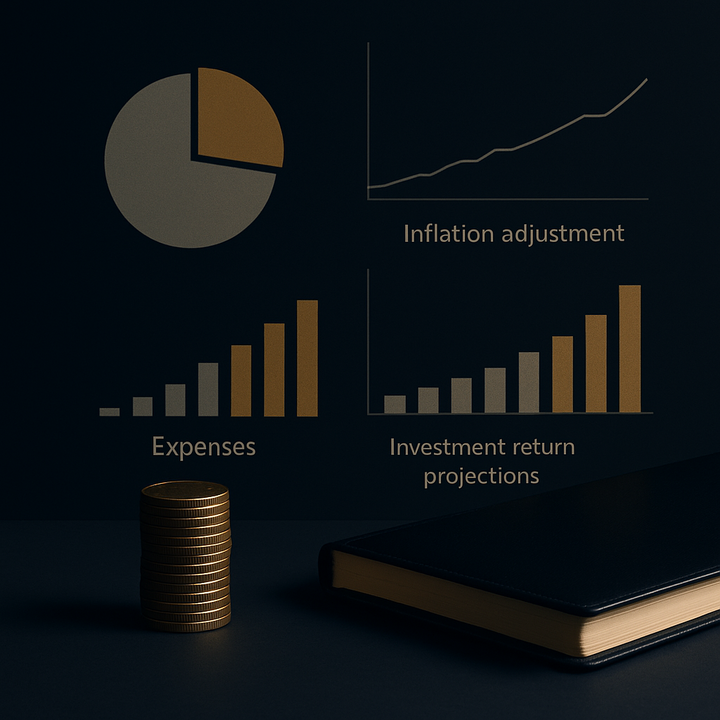
Early retirement planning is a comprehensive, intentional process that organizes your finances so you can leave the workforce before the average retirement age. To do this successfully, you must identify your future expenses, predict inflation, estimate investment returns, and consider health care costs. Early retirement planning starts with understanding your unique financial picture. You assess current resources, clarify future goals, and map out measurable steps. Diversifying asset classes, optimizing taxes, and integrating insurance complete this robust approach. With many government pension systems facing demographic challenges, effective early retirement planning minimizes dependency and increases your control over when and how you retire.
Why Early Retirement Planning Should Start Now
The sooner you embrace early retirement planning, the more powerful your results. Starting early allows compounding investment returns to work in your favor. Fossilized approaches—trusting solely in employer pensions or government benefits—no longer offer assured security. Economic cycles, regulatory updates, and personal events like health changes mean plans can be disrupted. Early retirement planning creates flexibility to navigate volatility and adapt as needed. It enables you to optimize for tax efficiency, tap into modern solutions like ETFs or robo-advisors, and stand secure even as defined-benefit pensions wane. Ultimately, early retirement planning means you are less likely to outlive your assets.
Core Principles in Early Retirement Planning
Four core principles steer effective early retirement planning: disciplined saving, broad diversification, risk management, and periodic review. Calculate how much you will need by projecting yearly living expenses and then topping up for inflation. Consider a withdrawal framework like the 4% rule (while understanding its limitations), and update your expectations periodically. Review your asset allocation to ensure it remains aligned with your risk appetite and retirement timing. Automate your savings, track your expenses, and leverage digital dashboard tools to remain on track. Continual evaluation keeps your plan resilient as interest rates, job markets, and your personal needs evolve.
Practical Strategies for Early Retirement Planning
Advanced savings discipline forms the bedrock of early retirement planning. Prioritize maximizing retirement vehicles such as 401(k)s, IRAs, or their equivalents. Seek employers who match contributions, as this instantly boosts your investment pool. Diversify among equities, fixed income assets, real estate, and alternatives to harvest growth and cushion against market shocks. Dollar-cost averaging protects your principal during volatile stretches. Schedule regular investment reviews, adjust asset allocations when needed, and balance risk against anticipated retirement dates.
Consider side hustles, freelance work, or a part-time venture to multiply income streams and accelerate savings. Track expenses rigorously. Smart budgeting transforms small sacrifices into noticeable gains over time. Reduce or eliminate high-interest debt, as it diminishes the money you can set aside for your goals. Maintain adequate health and life insurance to insulate future income from unexpected disruptions. Above all, early retirement planning thrives on consistency, adaptability, and frequent reassessment.
Recognizing and Managing Risks in Early Retirement Planning
Any journey toward early retirement comes with risks. Sequence-of-returns risk is especially relevant, as a market downturn during the early years of withdrawals can deplete your portfolio more rapidly than expected. Inflation, medical emergencies, and tax law changes are other major risk factors that can derail plans. Longevity risk—living longer than you anticipated—demands conservative withdrawal rates and investment flexibility.
To offset these challenges, integrate annuities, real assets like property, and hedging strategies where possible. Stay informed on legislation related to pensions, Social Security, and capital gains taxes. Build cash reserves for market downturns or unexpected costs. Lean into financial technology for real-time alerts and scenario modeling. The most successful early retirement plans address risks directly, always preparing to adjust strategy as personal or market conditions change.
Diversification and the Role of Technology
Diversification is at the core of sustainable early retirement planning. Spreading your investments across U.S. and global equities, bonds, real estate, private investments, and digital assets reduces the likelihood that a single negative event derails your entire plan. Consider alternative investments for uncorrelated returns that can smooth volatility and boost portfolio resilience.
Modern technology empowers investors with sophisticated modeling tools, robo-advisor platforms, and automated rebalancing. Algorithms tailor portfolios based on your risk tolerance and changing life situation. Additionally, blockchain-based investments and tokenization unlock access to assets once reserved for institutional players. These advancements help you stay agile and informed, supporting better decisions and stress-testing your trajectory toward early retirement. If you are proactive in embracing technology, your plan will better adapt to dynamic market trends and personal life events.
Building Your Early Retirement Planning Framework
With proper early retirement planning, you transition from reactive saver to strategic planner. First, define your vision: what does early retirement look like for you? Clarify desired lifestyle, geographic preferences, and health care needs. Next, project your living costs—include housing, healthcare, travel, and contingencies. Adjust for inflation and build a margin for errors or unexpected expenses. Use calculators or software to estimate required capital based on future cash flow needs. Quantifying your goals early cultivates discipline and accountability.
Next, delineate your asset allocation based on risk tolerance and years until retirement. Younger savers may tilt toward stocks for growth; as you approach retirement, shift gradually toward capital preservation with bonds and cash. Plan partial withdrawals to cover major milestones, such as relocating or helping family, while the bulk of your assets continue growing. Carefully tax-optimize withdrawals, choosing between regular investment accounts, Roth-type vehicles, or annuities to minimize liabilities. If possible, consult a financial advisor for periodic feedback and to avoid behavioral biases.
Adapting and Monitoring Your Early Retirement Plan
Early retirement planning is dynamic, not static. Review your investments, living expenses, and planned income at least once a year. React to big life changes—a new child, career moves, or health events—with updates to your plan. Modern financial dashboards display asset performance, calculate probabilities, and signal areas needing attention. Scheduled reviews catch misalignments early and provide peace of mind.
Engage independent advisors as a sounding board and to counter overconfidence. Document your goals, target dates, and performance metrics. Clarity makes it easier to pivot, correct course, and keep heading toward early retirement. Comprehensive records also safeguard your dependents or spouse, should anything happen to you unexpectedly.
Common Pitfalls and How to Avoid Them
Failing to adapt to changing market or personal conditions is a top mistake in early retirement planning. Overestimating investment returns or underestimating healthcare and living costs can leave you vulnerable. Emotional investing—selling during downturns or chasing hot trends—derails steady accumulation. To counteract these tendencies, automate contributions, set pre-defined rebalancing rules, and consult with unbiased professionals regularly. Consistency and periodic review remain central pillars to avoiding classic pitfalls and sticking to your timeline.
The Power of Education and Professional Advice
Continual learning lies at the heart of effective early retirement planning. The financial world quickly evolves, with new instruments, asset classes, and tax rules emerging each year. Take time to study reliable books, attend webinars, and follow updates from reputable financial institutions. Arm yourself with foundational knowledge so you can critically assess products and advice. When choosing a financial planner, verify credentials and seek fiduciaries who place your interests first. A solid partnership with a trusted professional can optimize your strategy and reinforce your discipline.
Conclusion: Early Retirement Planning as a Journey
Reaching early retirement is an ongoing, dynamic pursuit—one that rewards proactive planning, knowledge, and adaptability. Early retirement planning isn’t a one-time effort but a continuous process of setting goals, monitoring progress, and recalibrating as conditions shift. Take advantage of today’s technological tools, emphasize diversification, and stay committed to financial education. Wise early retirement planning helps ensure you enjoy not just a long life, but a rewarding, independent one on your terms. For more resources and insights on Financial Planning and Retirement, visit our category page and continue empowering your financial journey with up-to-date strategies tailored for modern realities.

Daniel Whitaker is a financial strategy writer focused on long-term wealth building, capital allocation discipline, and structural risk awareness. His work emphasizes clear financial frameworks, sustainable investment thinking, and practical decision-making designed to help readers build resilient financial systems rather than chase short-term trends.