Digital Tools for Retirement Planning: Strategies for Effective Financial Management
Introduction: The Role of Digital Retirement Planning Tools in Financial Management
Digital retirement planning tools are at the forefront of reshaping financial management for individuals and professionals alike. As personal finances have become more intricate and economic conditions fluctuate, relying on outdated, manual spreadsheets or isolated strategies now offers limited advantages. Instead, digital retirement planning tools add agility, accuracy, and clarity to the entire process, empowering users to make informed decisions based on live data. This shift also promotes greater transparency, helping investors avoid common pitfalls and seize emerging opportunities more effectively.
Traditional retirement planning often struggled to respond to rapid regulatory changes, demographic shifts, or sudden market volatility. Financial technology addresses these challenges, providing platforms that allow users to adjust projections as needed and visualize the real-world impact of their choices. As technology continues evolving, digital tools are now a central element in successful, ongoing retirement planning efforts.
Understanding Digital Retirement Planning Tools
Digital retirement planning tools encompass a diverse range of software solutions. Online calculators, mobile applications, and comprehensive platforms now serve millions of retirees and aspiring savers. Their main purpose is to help users forecast, model, and manage retirement savings, drawing from real-time data and advanced algorithms. Features typically include savings projections, target analysis based on retirement age and lifestyle, and visual simulations of long-term investment growth.
Many leading tools incorporate artificial intelligence (AI) and machine learning (ML) to provide highly tailored advice and risk management. For example, some applications analyze spending patterns and adjust projected retirement dates or required contributions. AI also supports personalized investment recommendations, tax planning, and scenario testing under various economic assumptions. Thanks to these innovations, digital retirement planning tools replace much of the guesswork with reliable, data-driven guidance.
Key Features of Digital Retirement Planning Tools
The strongest digital retirement planning tools offer a suite of advanced features designed to enhance financial management and planning:
- Real-Time Data Aggregation: Automatically pulls information from multiple accounts, consolidating assets, liabilities, and investments for holistic planning.
- Scenario Analysis: Allows users to model market downturns, changes in expenses, or alternate retirement ages to test plan resilience.
- AI-Powered Recommendations: Suggests portfolio adjustments and contribution rates that suit individual risk profiles.
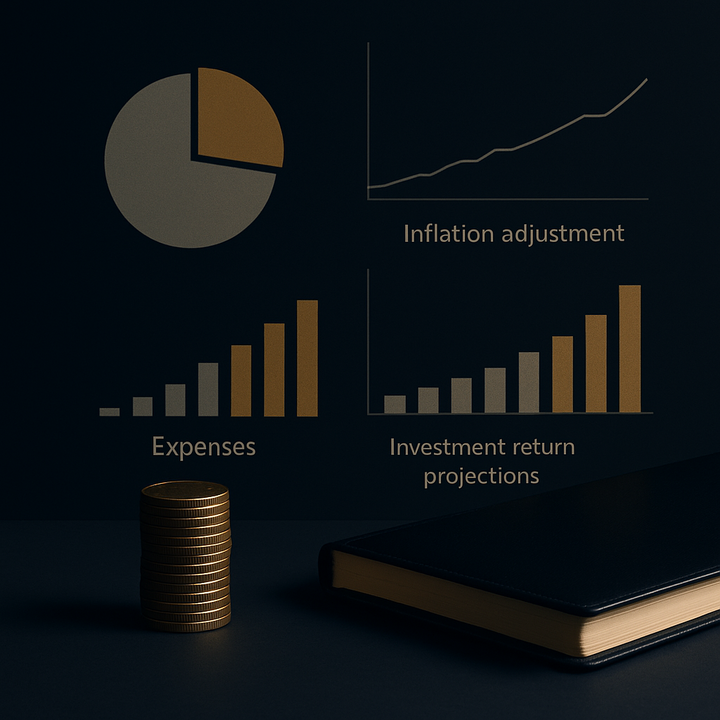
- Interactive Dashboards: Presents complex financial data as intuitive charts and graphs for easier interpretation.
- Security Features: Implements multi-factor authentication and end-to-end encryption to protect sensitive information.
- Open Banking Integration: Facilitates seamless data sharing with banks and advisors, streamlining plan updates and reporting.
- Tax Optimization: Simulates tax impacts of withdrawal strategies, Roth conversions, or required minimum distributions (RMDs).
These features, when used comprehensively, make digital retirement planning tools highly adaptable to changing personal and market circumstances.
The Importance of Digital Tools for Effective Retirement Planning
The value of digital retirement planning tools goes beyond simple calculations. Investors face unique challenges in retirement planning, including the risk of outliving their savings, escalating healthcare costs, and uncertain economic conditions. By leveraging digital platforms, users benefit from immediate feedback and comprehensive scenario analysis. These tools aggregate data from across multiple institutions, ensuring consistency and accuracy while tracking performance against relevant benchmarks.
For risk-averse individuals, automated asset allocation helps maintain discipline and reduces the likelihood of emotionally-driven mistakes. More advanced users, such as professional investors or advisors, find value in granular analytics that accommodate alternative assets, advanced tax-sheltered strategies, and withdrawal optimization. The increased transparency and proactive adjustment capabilities deliver greater confidence that financial goals will be met, regardless of market turbulence.
Implementing Digital Retirement Planning Tools: Step-by-Step Strategies
To achieve optimal results, it’s essential to approach the adoption of digital retirement planning tools systematically:
- Define Goals and Risk Profile: Clearly set retirement age, desired lifestyle, healthcare requirements, and investment preferences before data input.
- Comprehensive Data Entry: Include all assets, liabilities, income streams, anticipated expenses, and potential windfalls for best results.
- Select Robust Platforms: Choose reputable platforms with a proven track record, deep analytical capabilities, and strong security measures.
- Regular Monitoring: Schedule frequent reviews using automated alerts and reports to ensure strategies adapt to market or personal changes.
- Compare Different Scenarios: Use modeling features to test base-case, optimistic, and pessimistic outcomes, then adjust accordingly.
- Share and Consult: Export reports for discussions with financial advisors or integrate outputs with tax-planning software.
- Stay Educated: Take advantage of built-in tutorials, customer support, and continuing education to get the most from each platform.
Executing these steps ensures that digital retirement planning tools translate into more effective and confident management of future finances.
Risks and Limitations: Where Digital Retirement Planning Tools Fall Short
While digital retirement planning tools provide many benefits, they are not without shortcomings. Algorithms excel at processing numerical inputs but can overlook non-financial life changes, such as unexpected health events or shifts in family circumstances. Some platforms may present a limited range of investment scenarios or prioritize proprietary products. Furthermore, although data security protocols continue to improve, risks of cyber-attacks and data breaches persist, especially in open banking environments.
Another issue lies in users placing undue reliance on default settings. Without periodic critical review, static assumptions may misalign with changing real-world conditions or evolving regulations. Platform bias and regulatory gaps between countries also present challenges, potentially affecting both suitability and compliance for global investors. Engaging with a qualified advisor and conducting regular reviews of both inputs and assumptions can mitigate many of these risks.
Emerging Opportunities in Digital Retirement Planning
Innovation has become a constant in the landscape of digital retirement planning tools. Artificial intelligence and machine learning now make it possible to tailor retirement strategies to minute personal details, including spending habits, regional tax codes, and even evolving life goals. Decentralized finance (DeFi) and blockchain technologies have started to deliver increased transparency and automation, for example, through smart contracts that manage pension distributions without manual intervention.
Partnerships between banks, fintech startups, and insurance companies fuel continuous improvement, adding features that combine wealth management, health planning, and longevity projections all in one place. As open banking standards expand, interoperability is increasing, empowering users to access the best available services regardless of their chosen institutions. These opportunities reinforce the importance of remaining proactive and adaptable as both individuals and the financial industry as a whole.”
Metrics, Examples, and Best Practices for Maximizing Tool Effectiveness
Quantitative analysis is fundamental to successful digital retirement planning. One powerful approach involves using Monte Carlo simulations to test thousands of possible market scenarios, evaluating the probability of depleting assets under varying conditions. A user aged 45, for example, could assess how changes in savings rates, early retirement, or shifting asset allocations influence projected retirement balances.
Benchmarking performance is another best practice. Comparing simulated portfolio growth against both target benchmarks and historical performance data helps identify underperformance and triggers timely interventions. These insights allow for tactical reallocation or the incorporation of alternative investment vehicles such as real estate or annuities.
Practical examples highlight value added by these tools. Consider a mid-career professional who uses a digital retirement planning tool to automate contribution increases whenever salary rises, or a retiree who accesses real-time payout projections to adjust lifestyle spending. These real-world applications demonstrate how digital platforms provide both flexibility and peace of mind, adjusting for whatever life brings.
Maintaining Security and Privacy with Digital Retirement Planning Tools
Data security is a critical factor when using digital retirement planning tools. Robust platforms implement end-to-end encryption, multi-factor authentication, and secure cloud storage practices. However, users must remain vigilant—regularly monitoring account activity, updating passwords, and verifying platform credentials. Review privacy policies and ensure compliance with regulatory frameworks, such as GDPR or CCPA, depending on your region.
Be cautious when enabling open banking features or allowing third-party data integration. Always verify the permissions requested and monitor any changes in security settings. Finally, consider setting up backup access or offline records in case of severe outages or technical issues, further safeguarding financial plans and personal information.
Integrating Professional Advice with Digital Tools
Despite significant advances in technology, human expertise remains a valuable complement to even the best digital retirement planning tools. A skilled financial advisor provides guidance on edge-case scenarios, interprets complex tax implications, and offers emotional support during turbulent economic periods. Many platforms let users share data directly with certified professionals, who can then deliver personalized recommendations based on a holistic view of the client’s finances.
Combining analytics from digital platforms with regular advisor check-ins strengthens outcomes, as recommendations are both grounded in live data and tailored to personal goals, values, and changing circumstances.
The Future of Digital Retirement Planning
The trajectory of digital retirement planning tools points toward ongoing refinement and expansion. We expect increased use of advanced predictive analytics, natural language processing interfaces, and even gamification to make retirement planning more engaging. Broader adoption of decentralized solutions will increase transparency and reduce costs for end users. Furthermore, real-time regulatory updates and automated compliance checks will empower users to navigate cross-border financial planning challenges seamlessly.
Ultimately, the goal is to bring adaptability, personalization, and security to all users—raising the probability of meeting retirement objectives regardless of life’s uncertainties.
Conclusion: The Enduring Value of Digital Retirement Planning
Digital retirement planning tools have revolutionized the way both individuals and professionals approach their financial futures. By leveraging real-time analytics, AI-driven insights, and personalized guidance, these tools empower users to create flexible, effective plans that adjust as life evolves. Their true value emerges when paired with ongoing financial education, critical review of strategy, and support from qualified advisors. As innovation continues to drive improvements, staying informed about the latest developments ensures savvy, resilient retirement strategies. For deeper exploration and up-to-date guidance, visit our category page on Financial Planning and Retirement.

Daniel Whitaker is a financial strategy writer focused on long-term wealth building, capital allocation discipline, and structural risk awareness. His work emphasizes clear financial frameworks, sustainable investment thinking, and practical decision-making designed to help readers build resilient financial systems rather than chase short-term trends.