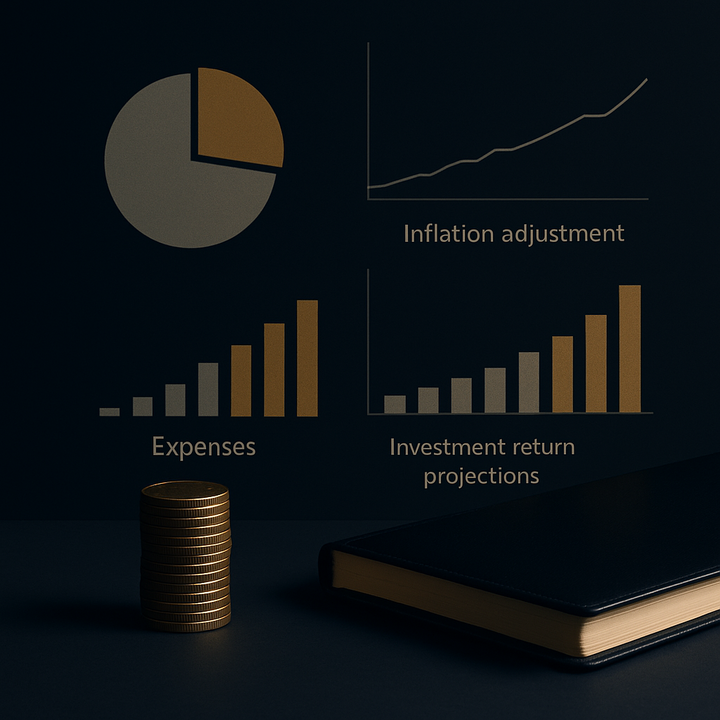
Secure Early Retirement: A Comprehensive Guide to Financial Planning
Introduction: The Importance of Secure Early Retirement
Secure early retirement is more relevant than ever. Almost everyone dreams of leaving the workforce before the traditional retirement age. Rapid changes in the labor market, declining pension benefits, and longer life expectancy all increase the need for independent financial planning. The rise of freelance and gig economy work makes this even more important. Secure early retirement depends on building enough financial resources and managing them well over many years. You must consider not only basic income needs but also healthcare, living costs, inflation, and unexpected events. Because the value of money changes over time, only a strong plan provides true flexibility and safety. Therefore, a robust approach helps you enjoy your post-career years to the fullest.
What Does Secure Early Retirement Mean?
Secure early retirement means more than just leaving work before age 60 or 65. It means having enough assets and income to maintain your lifestyle for decades, free from work-related stress. This goal requires more than saving a set amount. You need comprehensive strategies, including a smart withdrawal plan, strong risk management, and regular financial maintenance. You also need to plan for healthcare, adapt to changing laws, and protect yourself from inflation and market risks. True security comes from diversification, having emergency funds, and flexible income sources. The stronger your plan, the more confidently you can enjoy early retirement without worrying about returning to work.
Why Secure Early Retirement Requires Detailed Financial Planning
Financial planning is crucial for secure early retirement because leaving work early brings unique challenges. Without a steady income, you must use your savings to cover every expense, sometimes for 30 years or longer. The longer your retirement, the higher the chance you’ll face market downturns, inflation, rising healthcare costs, or new regulations. Secure early retirement requires you to anticipate these risks and build a plan that reduces your vulnerability. Your plan should set realistic spending targets, create multiple income streams, and prepare backups for surprises. Well-structured plans let you use compounding, cut taxes, and adapt to changing situations. This approach gives you more control and peace of mind.
Critical Elements of Secure Early Retirement Planning
Secure early retirement depends on several key planning steps. First, start saving early to benefit from compounding returns. Increasing your savings rate in your 20s, 30s, or even 40s builds more capital and shortens the path to independence. Second, diversify your investments. Use tax-advantaged accounts, index funds, real estate, and fixed-income products. Pick a mix that fits your risk tolerance and age, but stay flexible as you near retirement. Third, create a flexible withdrawal strategy. The 4% rule can serve as a guideline, but be ready to adjust if markets change. Fourth, review and rebalance your portfolio regularly. Analyze your spending and investments at least once a year, or more often if the economy shifts. Finally, use technology. Automated tools, robo-advisors, and finance apps help you stay on track, avoid emotional errors, and improve oversight.
Risk Management Strategies for Secure Early Retirement
Managing risk is essential for secure early retirement. The first years are the most vulnerable to “sequence of returns risk,” where poor market performance early on can hurt your portfolio permanently. To reduce this risk, build a cash buffer or short-term bond ladder to cover three to five years of expenses. This way, you avoid selling investments during downturns. In addition, make sure you have enough insurance—health, life, and long-term care, as needed for your family. However, insurance is only one layer. Create contingency spending plans that cut discretionary expenses in bad years, saving capital for essentials. Adjust your projections for inflation regularly. Watch your tax situation as laws change, and update your plans for longer life expectancy. Periodic stress tests, where you model market crashes or health emergencies, further strengthen your readiness for surprises.
Opportunities in Secure Early Retirement Planning
The modern world offers new opportunities for secure early retirement planning. Exchange-traded funds (ETFs) and low-cost index funds let you diversify globally with minimal fees. This access includes technology, healthcare, and other growth industries. Fintech innovations, such as robo-advisors and personalized dashboards, make managing portfolios easier and allow more time for strategic decisions. You can improve yields and stability by adding assets beyond stocks and bonds. Infrastructure, private credit, and inflation-protected securities are now more accessible to individuals. International diversification can lower risk and open new returns. Take advantage of tax optimization. Strategies like tax-loss harvesting, Roth IRA conversions, and careful asset placement help maximize after-tax wealth. Many early retirees supplement income with passion projects, consulting, or rental properties, which adds flexibility and security. By staying open to trends and adapting, you create a more secure and resilient retirement.
Balancing Growth and Protection for Long-Term Success
Maintaining a secure early retirement over decades requires balancing growth and protection. Younger retirees may spend 40 years or more in retirement, so they still need significant growth exposure, usually through equities and growth investments. However, as you age, shift gradually toward capital preservation and income generation. A well-designed “glide path” reduces risk as you move through retirement, balancing income needs and safety. Customize your withdrawal plan; avoid one-size-fits-all solutions. Use scenario planning to test how your plan handles bear markets or surprise expenses, such as major health costs. Working with a financial planner can provide fresh insight and help you stay disciplined. Automated tools that rebalance your portfolio and monitor performance reduce emotional mistakes. Keep detailed records of spending, investments, and tax documents. This habit helps you spot trends, track progress, and adjust quickly when needed. The better you balance risk and reward, the more confidently you can enjoy early retirement for many years.
Maximizing the Advantages of Secure Early Retirement
Secure early retirement offers freedoms that traditional retirement may not provide. For example, you gain years or decades for travel, creativity, family, or entrepreneurial projects without financial worry. However, you can only enjoy these freedoms with ongoing financial vigilance. Update your plan regularly to reflect personal changes, such as moving, lifestyle shifts, or family developments, and broader economic events. Take advantage of ongoing education through financial news, books, and online resources. Engage with communities—online forums or local planning groups—to share insights and learn from others on a similar journey. If you choose to work part-time, consult, or start new ventures in retirement, plan for how these activities affect taxes, insurance, and Social Security. Include these new income sources in your projections, keeping flexibility and security in mind. Ultimately, secure early retirement means building a fulfilling life, combining freedom with careful resource management.
Common Pitfalls and How to Avoid Them
Even careful planners sometimes face setbacks on the path to secure early retirement. A frequent pitfall is underestimating expenses, especially healthcare and inflation. Overestimate these costs in your projections to stay safe. Another common mistake is expecting high investment returns and relying on a bull market to last forever. To avoid this, use conservative growth assumptions and update your projections regularly. Not planning for major life changes, like divorce, widowhood, or health issues, can disrupt your finances unless you build in flexibility. Some early retirees stop maintaining their skills or networks, making it hard to return to work if needed. Keep learning and stay connected, even if you don’t plan to work again. Emotional investing is another risk—letting fear or excitement drive decisions can harm your portfolio. Set automated investment rules and seek professional advice if you react emotionally to market changes. By watching for these pitfalls and acting early, you greatly improve your chances of lasting financial independence and satisfaction in retirement.
Conclusion: Financial Literacy and Strategic Action Enable Secure Early Retirement
Secure early retirement rewards those who plan with discipline, curiosity, and adaptability. Combining financial literacy, ongoing scenario analysis, and smart investments paves the way for an early and truly secure retirement. Keep adjusting your plan as life changes. Stay flexible and protect your finances. For more advanced planning tools and the latest insights, visit our section on Financial Planning and Retirement. There, you will find resources tailored to early retirees seeking security and freedom.

Daniel Whitaker is a financial strategy writer focused on long-term wealth building, capital allocation discipline, and structural risk awareness. His work emphasizes clear financial frameworks, sustainable investment thinking, and practical decision-making designed to help readers build resilient financial systems rather than chase short-term trends.