Dynamic Retirement Planning: Building a Portfolio That Adapts to Any Economic Climate
Introduction
Planning for retirement can often feel like trying to hit a moving target. The world is changing faster than ever, and the traditional “set it and forget it” investment strategy is struggling to keep up. With constant economic shifts, rising inflation, and unpredictable market volatility, today’s investors face challenges that require a more agile and responsive approach. If you’ve ever felt anxious about whether your nest egg can truly withstand the test of time, you’re not alone.
That’s where a more modern approach, known as Dynamic Retirement Planning, comes into play. This isn’t just a set of rules; it’s a forward-thinking philosophy designed to build an investment portfolio that can adapt and thrive in various economic climates. By embracing dynamic planning, you can move from a position of anxiety to one of confidence, knowing you have a strategy to secure your financial future. This guide will explore how to build that resilient retirement plan, step by step.
Understanding the Evolving Economic Landscape
The global economy is a complex and ever-changing system. To plan effectively for the long term, it’s crucial to understand the forces that can impact your savings. For instance, we often face periods of high inflation, which silently erodes the purchasing power of your money, meaning your saved dollars will buy less in the future.
At the same time, central banks’ decisions on interest rates significantly affect everything from the returns on your fixed-income investments to the cost of borrowing. On top of this, stock markets can experience extreme volatility, making long-term projections difficult and rattling even the most seasoned investors. The recent emergence of new asset classes, like cryptocurrencies, adds another layer of complexity and opportunity. These factors underscore why a static, unchanging portfolio can be a risky bet. To navigate these turbulent waters successfully, flexibility and agility in your financial planning are paramount.
Core Principles of a Dynamic Retirement Plan
Dynamic Retirement Planning is built on several fundamental principles that work together to ensure your portfolio remains robust and adaptive. It’s about being an active participant in your financial future rather than a passive observer.
At its heart is a proactive approach to asset allocation. This isn’t a one-time decision you make when you start investing; it involves continuous evaluation and adjustment based on your goals and the market environment. This strategy helps you find the right balance between protecting your capital and seizing opportunities for growth.
Furthermore, thorough risk management is another cornerstone. This process involves identifying potential threats to your portfolio—like a market downturn or sector-specific slowdown—and implementing strategies to mitigate their impact. A crucial part of this is deeply understanding your personal risk tolerance, which guides your investment decisions and ensures you can sleep at night, even when the market fluctuates.
Finally, the entire philosophy is powered by flexibility and rebalancing. Your life and the market are not static, so your plan shouldn’t be either. Conducting regular portfolio reviews, whether quarterly or semi-annually, allows you to make necessary adjustments, ensuring your investments remain aligned with your long-term goals and desired risk profile.
Strategic vs. Tactical Asset Allocation: The Blueprint and the Maneuvers
A key part of dynamic planning is understanding the two layers of asset allocation. Think of it like sailing a ship across the ocean.
Strategic Asset Allocation
This is your long-term blueprint or the main course you chart for your journey. Based on your retirement goals, timeline, and overall risk tolerance, you set a target mix of assets. For example, a common strategic allocation for a younger investor might be 70% stocks, 20% bonds, and 10% alternatives. This mix is designed to achieve your long-term objectives and serves as your portfolio’s baseline.
Tactical Asset Allocation
This is where you act as the ship’s captain, making short-term maneuvers. Tactical adjustments are temporary, deliberate shifts away from your strategic allocation to capitalize on immediate market opportunities or protect against emerging risks. For example, if you believe a certain sector is poised for short-term growth, you might tactically overweight it. Conversely, if you’re concerned about rising interest rates, you might temporarily reduce your exposure to long-term bonds. These tactical shifts allow your portfolio to be nimble and responsive.
Diversifying Beyond Traditional Stocks and Bonds
A truly adaptive portfolio looks beyond a simple mix of domestic stocks and bonds. True diversification involves spreading your investments across different asset types, industries, and geographies to reduce the impact of any single poor-performing asset.
Equities (Stocks)
Equities offer the highest potential for long-term growth but also come with the most volatility. Dynamic management here involves more than just buying an index fund. Global diversification is key, allowing you to capture growth from various world economies and insulating you from a downturn in a single country. Additionally, employing sector rotation strategies—shifting investments between industries like technology, healthcare, and energy based on economic cycles—can help optimize returns.
Fixed Income (Bonds)
Bonds traditionally provide stability and income to a portfolio. However, they can be vulnerable to inflation and interest rate hikes. A dynamic approach involves diversifying your bond holdings. Short-term bonds are less sensitive to interest rate changes, while inflation-protected securities (TIPS) can guard against rising prices by adjusting their value with inflation, preserving your purchasing power.
Alternative Investments
Alternatives are assets that often have a low correlation with traditional stock and bond markets, meaning they may perform differently during market downturns, helping to cushion your portfolio.
- Real Estate: Investing in Real Estate Investment Trusts (REITs) or direct property ownership can offer a steady income stream from rent and the potential for appreciation.
- Commodities: Assets like gold and silver can act as a hedge against inflation and currency devaluation, providing a tangible store of value during times of economic uncertainty.
- Private Equity/Debt: Investing in private companies offers unique, high-growth opportunities not available on the public market, though it typically comes with higher risk and longer investment horizons.
The Role of Cryptocurrencies in a Modern Portfolio
The rise of cryptocurrencies has introduced a new, albeit highly speculative, dimension to investing. While not suitable for everyone, these digital assets can play a role in a dynamic portfolio for those with a high risk tolerance.
The potential benefits are clear: a history of explosive growth and the argument that assets like Bitcoin, with their limited supply, could serve as a “digital gold” or a hedge against inflation. However, the risks are equally significant, including extreme price volatility and an uncertain regulatory landscape.
If you choose to integrate crypto, it should be done with extreme care. Financial advisors typically recommend a small, speculative allocation—an amount you could afford to lose entirely. Diversifying within the crypto space itself (e.g., between established players like Bitcoin and platforms with utility like Ethereum) is also a prudent step. Education is paramount; never invest in a technology you don’t understand.
Implementing Your Dynamic Strategy: Practical Steps
Putting Dynamic Retirement Planning into action requires a clear, deliberate process.
- Define Your Goals Clearly: Start by outlining your vision for retirement. Do you want to travel the world, or enjoy a quiet life at home? Knowing your financial needs is the foundation of your plan.
- Assess Your Risk Tolerance Regularly: Your comfort with risk isn’t static. Major life events, like a promotion or starting a family, can change your perspective. Re-evaluate it annually.
- Conduct Regular Portfolio Reviews: Schedule time on your calendar at least twice a year to review your portfolio’s performance and asset allocation. Are you still on track to meet your goals? Does your strategic mix need tweaking?
- Stay Informed on Market Trends: You don’t need to be an expert, but staying aware of major macro-economic trends and geopolitical events will help you understand the forces shaping the market and make better tactical decisions.
- Leverage Professional Guidance: Don’t be afraid to seek help. A financial advisor can provide personalized guidance, offer expertise in complex situations, and act as a rational voice during emotional market swings.
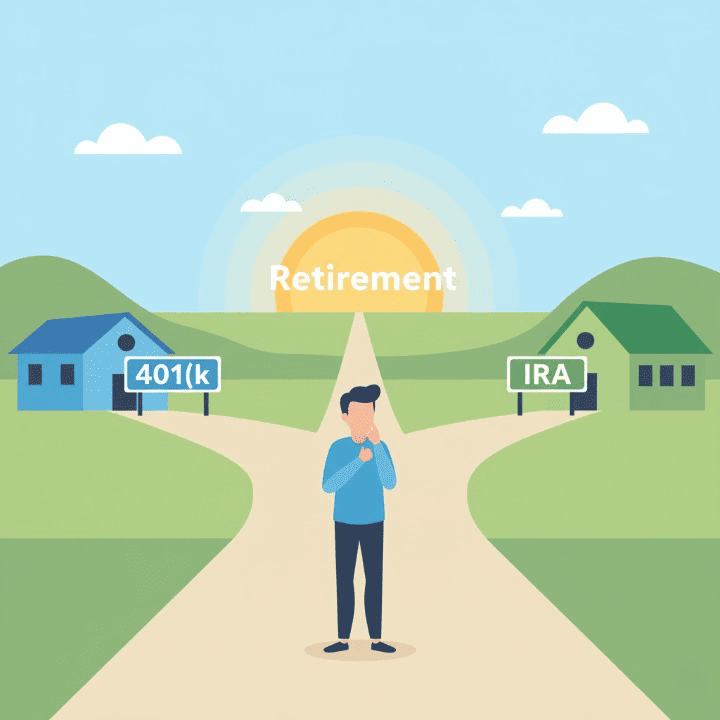
- Optimize for Tax Efficiency: Active management can lead to more transactions, so it’s vital to be tax-smart. Maximize your use of tax-advantaged accounts like 401(k)s and IRAs and be mindful of capital gains taxes in your taxable brokerage accounts.
- Craft a Clear Withdrawal Strategy: A great accumulation strategy is only half the battle. You also need a plan for how you’ll draw income from your savings in retirement to ensure it lasts a lifetime.
Conclusion
Navigating the path to a secure retirement in today’s complex world requires more than hope—it demands flexibility. Dynamic Retirement Planning is not just a collection of tactics but a comprehensive philosophy for achieving long-term financial security. It empowers you to face economic uncertainty head-on by proactively adjusting your portfolio to both protect what you’ve built and seize new opportunities.
By embracing continuous learning, regular reviews, and a willingness to adapt, you can make informed decisions that keep your portfolio resilient and aligned with your goals. Your financial journey is an ongoing process, not a destination. By taking control of your financial destiny today, you can build a robust and responsive retirement portfolio that can withstand any economic climate. Your future self will thank you.