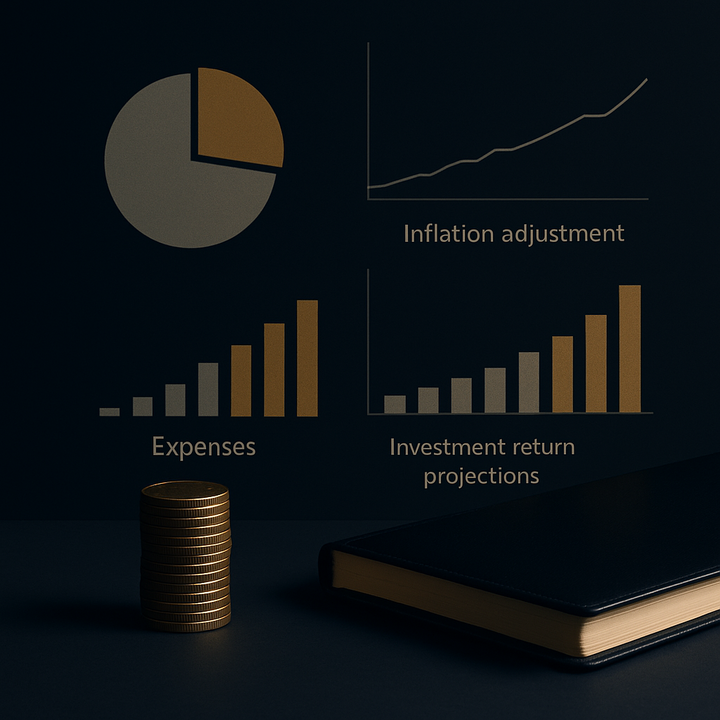
Efficient Financial Planning for Secure Early Retirement
Introduction: The Relevance of Efficient Financial Planning
Efficient financial planning shapes the foundation for anyone seeking a secure early retirement. With longer lifespans and evolving market conditions, individuals must shoulder more responsibility in building their own financial safety net. The need for precise, adaptable strategies becomes crucial as traditional pensions wane in influence and the desire for financial independence grows. Understanding the interaction between savings habits, asset diversification, and personal goals can help anyone pave the way toward early—and lasting—retirement security. Efficient financial planning does not just aim at accumulating wealth; it seeks to maximize every dollar’s impact while minimizing unnecessary risk and waste.
What is Efficient Financial Planning for Early Retirement?
Efficient financial planning for early retirement integrates a structured approach to coordinating income, investments, and expenses. Its primary goal is to enable financial independence before the legal retirement age. This approach is marked by prioritizing high savings rates, designing diversified investment allocations, and optimizing tax strategies. Limiting the impact of inflation and reducing unnecessary expenditures is essential. In contrast to traditional retirement planning—which may lean on employer-provided pensions or statutory benefits—early retirement demands more aggressive savings and investment phases, supported by frequent plan reviews. This ongoing adjustment ensures alignment with evolving personal situations and shifting global markets.
To practice efficient financial planning, individuals need steadfast discipline. Key areas include tracking inflows and outflows meticulously, choosing low-fee investment vehicles, and rebalancing portfolios to respond to market movements. In addition, using automated budgeting and reporting tools can improve adherence to financial goals. Effective planning also means recognizing risks associated with early withdrawal, such as healthcare costs, which become a larger concern when retiring earlier than average.
The Importance for Investors and High Earners
For investors and high earners, efficient financial planning unlocks increased flexibility, reduced uncertainty, and long-term satisfaction. Retiring early can help professionals escape corporate volatility, job insecurity, or industry-specific disruptions. Efficient planners acquire the freedom to spend more time on passion projects, travel, or family engagements.
However, top earners face unique challenges, such as higher tax brackets, lifestyle inflation, and the possibility of supporting dependents across multiple generations. Efficient planning for these individuals should leverage tax-advantaged accounts, alternative assets, and smart debt management. Regular use of scenario modeling—available through modern fintech—can illuminate the consequences of various investment or spending choices, helping optimize for both security and flexibility. In short, investors who deploy efficient strategies position themselves to maintain wealth across decades and even extend benefits to heirs and charitable endeavors.
Strategic Approaches to Achieve Early Retirement
Methodical savings, disciplined investments, and sensible spending lay the groundwork for efficient financial planning. Most successful early retirees save substantially more than standard recommendations, with savings rates often exceeding 30% or even 50% of income during prime earning years. The earlier these habits begin, the more time compound interest works in favor of the individual, multiplying the eventual retirement corpus.
Diversification is another pillar of an efficient plan. By spreading investments across equities, fixed income, real assets, and advanced financial products like exchange-traded funds (ETFs), individuals can better withstand volatility and achieve smoother returns. Tax-advantaged vehicles—such as IRAs or 401(k)s—help shield growth from heavy taxation, especially when managed with an eye toward optimal withdrawal strategies. Automated investment platforms, powered by emerging fintech, enable consistent contributions, gap analysis, and scenario planning. These digital tools propel planners to act with confidence and agility, even when markets are turbulent.
Moreover, proactive expense management plays a significant role. Regular review of recurring expenditures, price comparisons, and debt minimization offer significant savings over time. Tools that automatically monitor spending patterns and suggest budget reallocations provide a crucial edge for those committed to efficiency.
Managing Risk and Navigating Market Volatility
Longer retirements increase exposure to market cycles, making risk management a top priority in efficient financial planning. Specifically, the sequence-of-returns risk—whereby poor returns early in retirement can irreversibly damage the portfolio—requires robust mitigation strategies. Many experts recommend a “bucket” approach, dividing savings into short-term liquid assets, medium-term income strategies, and long-term growth investments. This structure allows retirees to avoid selling growth assets during downturns, thereby reducing overall risk.
Fixed-income ladders, annuities, and cash reserves all help buffer against unexpected downturns. Dynamic spending rules—where discretionary expenses are scaled back when markets underperform—complement this foundation. Simulations and stress tests, using both historical and projected models, give retirees and their planners foresight into possible outcomes, strengthening resilience. Maintaining adequate insurance, especially health and long-term care, further protects against one of the largest risks facing early retirees.
The Role of Technology in Efficient Planning
Efficient financial planning is increasingly powered by technological innovation. Today, digital platforms deliver integrated dashboards showing real-time net worth, portfolio breakdowns, expense categorization, and progress toward retirement goals. Robo-advisors and algorithm-based management minimize emotional errors and help individuals stick to disciplined, rules-based investing.
Simulation engines empower users to model and compare different savings, investment, and withdrawal strategies. They help clarify the implications of early retirement versus delayed retirement and test resilience in the face of inflation, health shocks, or legislative changes. These tools also identify cost-saving opportunities, such as optimizing for low fees or tax efficiency.
Moreover, many apps now offer holistic financial management—combining investment, debt, spending, and tax information across all accounts—to provide a unified financial picture. The rapid expansion of open banking and data aggregation means more precise planning and better-informed decision-making. As a result, technology closes the gap between expert advice and self-directed management, giving individuals the confidence to adjust their strategies in real time.
Opportunities in a Shifting Investment Landscape
The last decade has transformed the investment universe, presenting new avenues for efficient financial planning. Asset classes such as ETFs, REITs, and direct private investments are now readily accessible. These allow individuals to diversify, hedge risks, and access markets that were once reserved for large institutions. Sustainable and thematic investing offer ways to align financial returns with personal values, often targeting new growth industries poised to shape future economies.
Currency-hedged funds, risk-parity portfolios, and volatility control instruments enhance both resilience and return potential. Meanwhile, regulatory advances like open banking and transparent fee disclosures empower investors with fuller information and greater negotiating power. Professionals willing to explore new products and structures can often enhance diversification without increasing risk, which is a central goal of efficient financial planning.
Addressing Risks and Avoiding Common Pitfalls
Efficient financial planning for early retirement requires a clear-eyed understanding of potential hazards. Outliving one’s savings, underestimating health or insurance costs, and assuming consistently high market returns can spell trouble for even the most diligent planners. Concentrating too much in a single asset—such as a primary residence or employer stock—exposes portfolios to excess volatility. Overlooking inflation, ignoring emerging expenses, or failing to update plans after major life changes are frequent pitfalls.
Behavioral biases, such as overconfidence, loss aversion, and herd mentality, can also lead to costly mistakes during times of market stress. To avoid these traps, successful planners regularly rebalance portfolios, update spending models, and seek new education. They build in contingencies, such as emergency savings funds and flexible withdrawal plans, and review insurance coverage annually. Incorporating scenario analysis reveals weaknesses in even the most disciplined strategies, allowing for proactive course corrections.
Ongoing education and engagement with peers or advisors strengthen accountability and preparedness. Ultimately, the willingness to adjust, learn, and seek second opinions distinguishes the most successful early retirees from those who struggle.
The Critical Role of Financial Literacy
In an era of information overload, financial literacy is the anchor that guides efficient financial planning. Understanding core principles—compounding, asset allocation, risk tolerance, tax effects—helps individuals make smarter choices and avoid high-fee products or unnecessary complexity. Literacy empowers people to question assumptions, recognize signs of financial scams or predatory schemes, and evaluate whether professional advice aligns with their goals.
Interactive tools, online resources, and community forums make it easier than ever to build one’s knowledge base. However, consistent learning is important, as markets, regulations, and products change. High financial literacy is associated with better retirement outcomes, lower anxiety, and a greater sense of control, all key elements of a secure early retirement.
Reviewing and Recalibrating Your Plans
No efficient financial plan is static. Market cycles, health changes, family dynamics, and external shocks all necessitate regular reviews. At least annually, individuals should assess whether savings targets, asset allocations, and withdrawal rates remain aligned with their latest objectives and life circumstances. Many find value in collaborating with trusted professionals or tapping into specialized software for impartial analysis.
Critical questions include: Has your target date shifted? Have your risk tolerances evolved? Do new investment options offer better returns or reduced volatility? Does your withdrawal regime match both your needs and market conditions? Revisiting these questions ensures the plan remains relevant, efficient, and robust—qualities essential for lasting early retirement security.
Conclusion: Life-Long Efficiency for Retirement Success
Efficient financial planning represents more than just a strategy—it is a mindset that enables secure and rewarding early retirement. By prioritizing disciplined saving, smart investing, risk awareness, and ongoing learning, anyone can increase their odds of enjoying lasting independence. Although markets and personal circumstances will evolve, staying engaged and proactive helps safeguard your financial future. For deeper insight on these and related topics, explore our category Financial Planning and Retirement.