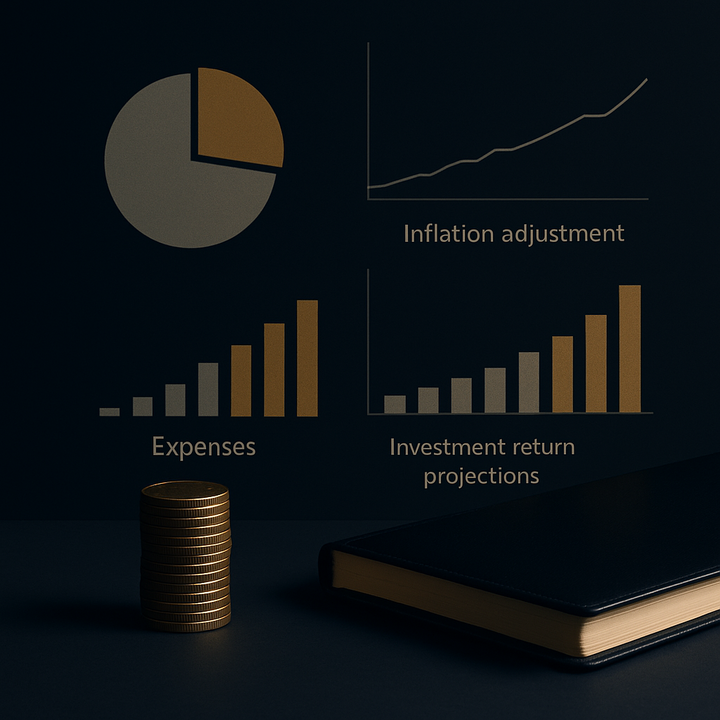
The Impact of Inflation on Retirement Planning: Strategies for Investors
Introduction: Inflation Retirement Planning’s New Urgency
Inflation retirement planning has become a practical necessity for anyone aiming for long-term financial independence. Recent global events have increased inflation volatility, which now challenges both new and experienced investors. Central banks have changed monetary policies to fight inflation, but retirees still face significant risks. When prices rise for everyday goods and essential services, the real value of savings drops. Without a solid inflation retirement planning strategy, even large nest eggs may not support your desired lifestyle. Therefore, investors must consider rising costs at every stage of their retirement journey, from building assets to managing withdrawals. Inflation retirement planning requires both awareness and action. This approach ensures security and flexibility in a constantly changing economic environment.
Understanding Inflation: How Price Increases Affect Your Retirement
Inflation is the steady rise in prices over time, which reduces the purchasing power of money. Economists usually measure inflation with indices like the Consumer Price Index (CPI) or Producer Price Index (PPI). Several factors influence inflation, such as demand outpacing supply, higher production costs, or easy monetary policy. Central banks, including the U.S. Federal Reserve and European Central Bank, set target inflation rates—often around 2%—to support economic growth and keep prices stable. However, inflation can rise quickly and create real challenges for retirement planning.
Not all sectors experience inflation in the same way. Healthcare, long-term care, and education often see costs increase faster than average. For retirees, this sector-specific inflation is especially challenging. Medical expenses and housing usually make up the largest part of retirement spending. Even modest inflation can sharply reduce the real value of fixed incomes and savings over decades. Therefore, investors must understand how inflation affects the categories most relevant to retirees. This knowledge is crucial for effective inflation retirement planning.
Why Inflation Matters in Retirement Planning
Inflation introduces a risk that can erode decades of disciplined saving. Many retirees plan carefully but underestimate how much living costs can rise during retirement. If annual inflation averages just 3%, prices will double in about 24 years, which covers a typical retirement period.
Fixed-income investments, such as regular bonds or non-indexed annuities, may not keep up with inflation. Social Security and pension payments sometimes include inflation adjustments, but these are not always enough. For example, if healthcare costs increase faster than general inflation, retirees may struggle to cover their expenses. Ignoring inflation can leave investors with insufficient funds over time. Planning for inflation is essential to maintain long-term financial security.
Key Strategies to Safeguard Against Inflation
Proactive inflation retirement planning means diversifying assets and using tools designed to protect against inflation. Consider these approaches to safeguard your portfolio:
- Treasury Inflation-Protected Securities (TIPS): These U.S. government bonds adjust principal and interest payments to match inflation, providing direct protection.
- Commodities and Real Assets: Assets like gold, oil, or real estate often perform well when prices rise. They offer valuable diversification.
- Equities: Stocks, especially those in sectors with strong pricing power like healthcare or utilities, have historically performed well during inflationary times. International stocks add even more diversification.
- Inflation-Indexed Annuities: Some annuities adjust income payouts based on inflation, helping to ensure future income is sufficient.
- Dynamic Asset Allocation: Regularly adjusting your portfolio based on economic conditions and inflation forecasts can improve long-term results.
Using these tools in your retirement strategy helps keep withdrawals sustainable and reduces the risk of outliving your savings.
Risks of Ignoring Inflation in Your Retirement Plan
Neglecting inflation exposes retirees to several dangers. One common mistake is estimating retirement needs in nominal terms, not accounting for inflation. This approach overstates future purchasing power and can lead to unexpected shortfalls.
Fixed-income products without inflation protection lose value quickly when inflation is high. Even indexed benefits may not keep up with real cost increases in important sectors like healthcare. If budgets do not adjust, retirees may need to cut their standard of living or sell assets during market downturns. Ultimately, robust inflation retirement planning is essential for lasting financial security.
Opportunities for Investors: Turning Inflation Challenges into Strength
Although inflation is often seen as a threat, smart investors can find opportunities during periods of rising prices. Historically, inflation has boosted certain asset classes. Commodities, energy stocks, and real estate often become more attractive when inflation rises, offering diversification and growth potential.
Financial innovation now offers new solutions for inflationary times. For example, inflation-linked bonds from emerging markets can provide higher yields and effective inflation protection for global portfolios. Insurance products with built-in inflation protection, such as some variable annuities, help investors keep up with rising costs while guaranteeing income. In addition, advances in financial technology allow real-time scenario analysis and portfolio optimization. Artificial intelligence now enables ongoing adjustments, helping investors adapt to changing inflation trends.
Technology’s Role in Modern Inflation Retirement Planning
Financial technology is transforming inflation retirement planning for both individuals and advisors. Robo-advisors can include inflation forecasts in their recommendations and automatically rebalance portfolios as markets and inflation expectations change. AI-driven analytics now model thousands of inflation scenarios, revealing both risks and opportunities in retirement strategies.
Digital platforms also make it easier to access inflation-hedged assets worldwide, offering broader portfolios and transparent pricing. Advanced planning tools use live inflation data and APIs to provide up-to-date scenarios. These digital tools help investors see the long-term effects of inflation on their assets and withdrawal needs.
Moreover, blockchain-based digital assets and stablecoins offer potential alternative inflation hedges. However, these carry unique risks and should be approached with caution and diversification.
Building a Truly Inflation-Resistant Retirement Plan
Creating an inflation-resistant retirement plan requires best practices at every step. Start with careful forecasting, considering both average inflation and how your age or health may affect spending. For example, many retirees face increasing healthcare and housing costs, both of which are sensitive to inflation.
Lifecycle or target-date funds gradually shift from growth assets to conservative options as retirement approaches. However, it is important to check whether these funds address changing inflation risks. Withdrawal strategies, such as dynamic withdrawals, adjust annual distributions based on market results and inflation, balancing income and capital preservation.
Stress testing your plan through advanced software or with a financial advisor is vital. These simulations cover a range of inflation scenarios, helping you see if your withdrawal rates and assets remain sustainable. Regular reviews, at least once a year, ensure your strategy stays aligned with inflation trends and your lifestyle needs.
Early and Ongoing Actions: When to Start Inflation Retirement Planning
The best way to defend against inflation risk is to start planning early and keep adjusting as life changes. Young professionals should maximize contributions to tax-advantaged retirement accounts and choose investments that can outpace inflation. Taking action in your twenties or thirties gives you a strong advantage later due to compounding.
For those nearing retirement, focus on optimizing asset allocation, reviewing income sources for inflation adjustment, and considering products with explicit inflation protection. Regardless of age, keeping your portfolio flexible, regularly stress-testing your assumptions, and staying informed about economic trends are key to successful inflation retirement planning.
Psychological and Behavioral Aspects of Inflation Planning
Inflation affects not just portfolios but also financial behaviors. Studies show that rising prices can trigger emotional reactions, such as cutting spending, avoiding risk, or reacting strongly to market swings. Effective inflation retirement planning must consider these human factors, not just numbers.
Regular education about inflation’s effects and realistic expectations help investors avoid panic-driven decisions. Using rules-based rebalancing, target allocation models, and working with a financial advisor adds discipline and perspective. By understanding behavioral tendencies, investors can reduce distractions and stay focused on long-term success in their inflation retirement planning.
Regulatory and Policy Factors in Inflation Retirement Planning
Government policies play a major role in shaping retirement outcomes under inflation. Many countries offer inflation-indexed benefits, like Social Security or government-backed bonds, which provide some protection. However, policy changes due to demographics or economic pressures can weaken these safeguards.
Therefore, staying informed about policy developments and adding private inflation-hedged products can boost security. Advocating for clear consumer protections and transparent benefits helps all savers. Navigating policy shifts wisely is another reason to keep inflation retirement planning as an ongoing priority.
Conclusion: Strengthening Your Future with Inflation Retirement Planning
Inflation will continue to shape retirement outcomes for decades. Through inflation retirement planning—using diversified portfolios, flexible withdrawal strategies, and ongoing education—you can protect your savings and achieve financial independence despite rising costs. Technology and financial innovation now provide more tools than ever for managing inflation risk. By making inflation retirement planning a core part of your financial strategy, you gain flexibility, confidence, and security, no matter how the economy changes.
For more insights and detailed guides, visit our dedicated section for Financial Planning and Retirement. Focusing on continuous learning and adaptation will keep your retirement plans resilient and aligned with your goals, whatever the inflation outlook may be.